
Trolling Offshore in Myrtle Beach: Local Strategies and Pro Tips
Trolling is one of the most reliable ways to put fish in the boat around Myrtle Beach. This guide walks you through the core trolling techniques, the species you’ll commonly find, the lures and baits that work, top hotspots, safety essentials, and how to book a charter that gets results. Whether you’re a weekend angler or a seasoned offshore hunter, these locally tested tips will help you catch more fish and enjoy your time on the water.
What Are the Essential Trolling Techniques for Offshore Fishing in Myrtle Beach?
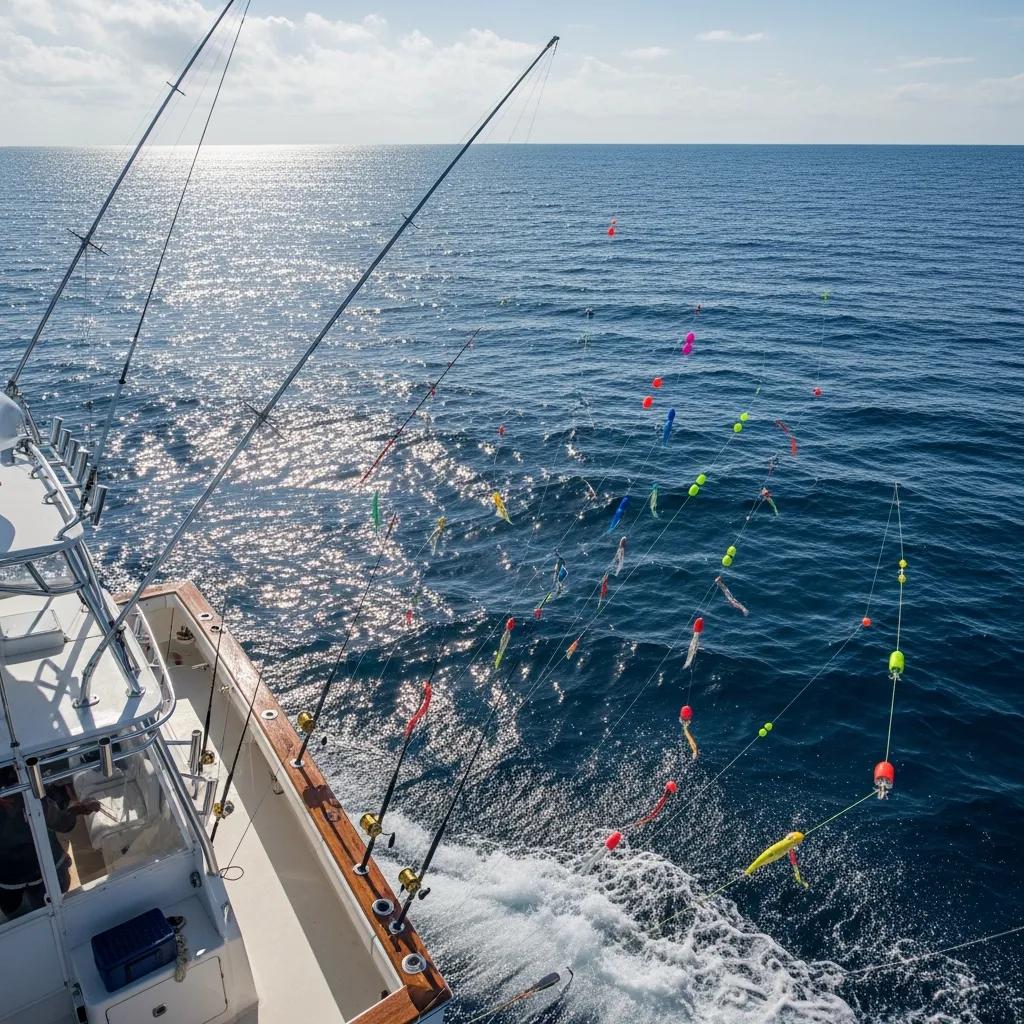
Trolling means towing baited lines behind a moving boat to entice predators into striking. Offshore, where structure and current bring baitfish together, trolling is especially productive. The three things that make or break a troll are boat speed, lure depth, and how you space your lines — get those right and your catch rate goes up fast.
How Does Trolling Speed Affect Offshore Game Fish Catch Rates?
Speed controls lure action and determines which species will chase. Typical trolling speeds range from about 2 to 9 knots depending on your target. Mahi-mahi usually prefer a brisk 6–8 knots, while wahoo often respond to even higher speeds around 7–9 knots. Slower speeds (2–4 knots) can tempt some tuna or structure fish. Start with recommended ranges, then tweak speed until your lures look natural and fish start showing interest.
What Are the Best Trolling Spreads and Depth Controls for Myrtle Beach Waters?
An effective spread covers water both across and below the surface. Use staggered lines to fish different distances off the transom, and manage depth with planers or downriggers when fish are holding deep. Change your spread for water temperature, clarity, and bait presence — what worked yesterday might not work today. The goal is to present lures at the right depth and spacing to mimic the local baitfield.
Which Game Fish Can You Catch Using Trolling Techniques Offshore Myrtle Beach?

The waters off Myrtle Beach hold a wide variety of game fish you can reach by trolling. Knowing seasonal runs and behavior for each species helps you choose speed, lure type, and where to run your spread.
What Are the Optimal Trolling Strategies for Mahi-Mahi in Myrtle Beach?
Mahi-mahi are flashy fighters and a favorite offshore target. They’re most common from late spring through early fall. Troll bright, lively lures at 6–8 knots and watch weed lines, floating debris, and sargassum — mahi often hug that cover. A flashy skirted lure or a well-presented ballyhoo can trigger explosive strikes.
How to Troll Effectively for Wahoo, Tuna, and King Mackerel in South Carolina?
Wahoo, tuna, and king mackerel each demand a slightly different approach. Wahoo favor high-speed presentations with lures that imitate fast baitfish, typically 7–9 knots. Tuna respond to a range of tactics — live bait, diving plugs, or skirted lures — and are often best trolled at 4–7 knots depending on the species. King mackerel take both live bait and artificials and are generally trolled in the 4–7 knot window while varying depth to find where the fish are feeding. Learn the habits of each species and adjust your tackle and speed accordingly.
What Are the Best Offshore Trolling Lures and Baits for Myrtle Beach Fishing?
Picking the right bait or lure is half the battle. Match your presentation to local bait size, water clarity, and target species for consistent results.
How to Use Ballyhoo and Artificial Lures for Successful Offshore Trolling?
Ballyhoo is a go-to bait for many offshore anglers because it presents naturally and appeals to a wide range of predators. Rig it with a circle hook and run it so it swims true. Artificial lures — spoons, plugs, and skirted artificials — also work well when sized and colored to match the local baits. Don’t be afraid to swap colors and sizes until you find what the fish want that day.
The smart use of both live and artificial baits is a core part of successful sportfishing, as experienced anglers and researchers note.
Selecting Live & Artificial Baits for Game Fish
Live and artificial baits play key roles in sport fishing worldwide, offering anglers multiple ways to tempt different game fish. Common artificial lures for salt and freshwater include jigs, spinners, and plugs that imitate prey movements and profiles. Spoons, soft plastics, and skirted lures are staples in baitcasting and spinning setups aimed at larger fish. Matching lure action and presentation to a target species’ feeding behavior increases your chances of a strike.
Live and Artificial Baits, ST Mushtaq, 2024
What Role Do Planers and Downriggers Play in Offshore Trolling?
Planers and downriggers let you put lures where the fish are. Planers give you extra depth without heavy weight, and downriggers let you hold a lure at a precise depth with a weighted cable. When fish are suspended, these tools can be the difference between a blank day and steady action.
Specialized gear like downriggers and planers is central to modern trolling success, which has been demonstrated in fisheries research.
Understanding Trolling: Equipment & Lures
Trolling is an advanced form of boat fishing that uses specialized gear — downriggers, side planers, and more — to tow natural and artificial lures behind the boat.
Cod catches taken by the German recreational fishery in the western Baltic Sea, 2005–2010: implications for stock assessment and management, HV Strehlow, 2005
Where Are the Prime Offshore Trolling Hotspots Around Myrtle Beach?
Knowing where to run your lines makes a big difference. Myrtle Beach anglers rely on a few proven spots that consistently hold pelagic fish.
Why Is the Georgetown Hole a Top Location for Offshore Trolling?
The Georgetown Hole, south of Myrtle Beach near Georgetown, SC, is a top stop for trolling charters. Its underwater contours and currents concentrate bait and attract mahi, wahoo, and tuna — especially in summer. Local knowledge of tides and structure will help you locate the schools and get you on the fish faster.
How Do Seasonal Changes Affect Trolling Locations and Success Rates?
Seasons drive where fish feed. As water temperatures change, bait and predators move to find favorable conditions. In spring you’ll often find fish pushed closer inshore; by summer they’re commonly out deeper. Keep an eye on local fishing reports and water temps so you can follow the bite rather than guessing at it.
What Safety Measures and Regulations Should You Know for Offshore Trolling in Myrtle Beach?
Safety and following the rules keep trips fun and legal. Make sure you know the local regs and run trips with safety in mind.
Which South Carolina Fishing Regulations Impact Offshore Trolling Practices?
South Carolina enforces size and bag limits and other rules that affect offshore trolling. Staying current with the South Carolina Department of Natural Resources regulations helps you avoid fines and supports sustainable fishing for everyone.
What Are the Essential Safety Tips for Offshore Fishing Charters in Myrtle Beach?
On a charter, prioritize safety: wear life jackets when advised, check weather and sea conditions before leaving, and confirm the boat’s safety gear is onboard. Talk with your captain about emergency plans and where safety equipment is stowed so everyone knows what to do if something goes wrong.
How Can You Book a Professional Offshore Trolling Charter with Low Country Fishing Charters?
A guided trip is the fastest way to learn the local bite and get on fish. Low Country Fishing Charters runs a variety of trips tailored to offshore trolling around Myrtle Beach.
What Makes Low Country Fishing Charters the Best Choice for Myrtle Beach Offshore Trolling?
With more than 40 years on these waters, Low Country Fishing Charters brings local experience, safety-first operations, and crews who know how to find fish. Their fleet runs offshore, inshore, and deep-sea trips to suit anglers of all skill levels.
How to Reserve Your Offshore Trolling Adventure: Booking Process and Tips
Booking is simple — visit the website to view charters and reserve your trip. During peak season it’s wise to book early. When you call or book online, tell the charter about any preferences (target species, number of anglers, special requests) so the crew can prepare the right gear and plan your best day on the water.
| Trolling Technique | Description | Best Practices |
|---|---|---|
| Speed Control | Adjusting boat speed to trigger strikes from different species | Test speeds between 2–9 knots based on your target |
| Spread Configuration | Deploying multiple lines at staggered depths and distances | Use staggered setups to cover more water and avoid tangles |
| Depth Control | Using planers and downriggers to place lures at desired depths | Target depth ranges where bait and predators are holding |
Master these techniques and your chances of a productive offshore trip increase. Trolling successfully around Myrtle Beach comes down to thoughtful setup, local knowledge, and a willingness to adapt to changing conditions.
Frequently Asked Questions
What is the best time of year for offshore trolling in Myrtle Beach?
The prime window for offshore trolling usually runs from late spring through early fall. Warmer water brings mahi-mahi, wahoo, and tuna into predictable areas. Each species peaks at different times, so plan trips around the seasons for the fish you most want to catch.
What safety equipment is essential for offshore fishing?
Essential safety gear includes life jackets for everyone aboard, a stocked first aid kit, visual distress signals like flares, a fire extinguisher, and reliable communication (VHF radio). Navigation aids such as GPS and a marine compass are important too. Review emergency procedures with your captain before leaving the dock.
How can I improve my trolling technique as a beginner?
Start with the basics: learn your gear, practice different speeds, and run simple spreads. Watch experienced anglers, ask questions, and keep notes about what worked each trip. Over time you’ll build an instinct for speed, distance, and lure selection that produces consistent results.
What are the common mistakes to avoid while trolling?
Avoid running the wrong speed for your target, letting gear go unchecked, and ignoring changing water conditions. Don’t overcrowd your spread — that leads to tangles and lost hookups. And always match lure size and color to local bait for the best presentation.
How do I choose the right fishing charter for my needs?
Look for charters with experienced captains, good reviews, and transparent safety practices. Decide whether you want deep-sea, offshore, or inshore fishing and confirm the charter runs that type of trip. Ask about group sizes, equipment, and whether they supply tackle or recommend bringing your own.
What should I bring on an offshore fishing trip?
Pack sun protection (sunscreen, hat, sunglasses), layered clothing, and non-slip shoes. Bring snacks, water, any personal medication, and preferred tackle if you have it. A camera or phone for photos and a small cooler for your catch (if allowed) are also handy.
Trolling offshore around Myrtle Beach is rewarding when you match speed, depth, and presentation to the local conditions and species. With these tips — plus local knowledge from an experienced charter — you’ll increase your time hooked up and make the most of your day on the water. Ready to fish with the pros? Check our charter options and plan your next trip for an unforgettable offshore adventure.