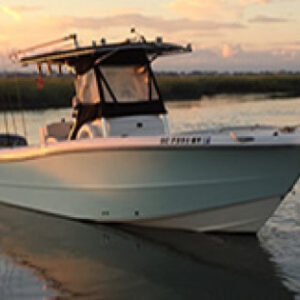
Fishing along the Myrtle Beach, South Carolina coast is defined by diversity rather than uniformity. Within a relatively short stretch of shoreline, anglers encounter tidal creeks, expansive estuaries, nearshore reefs, artificial structures, and bluewater environments that behave very differently depending on season, weather, and ocean conditions. Success in this region depends less on any single technique and more on understanding how these environments interact.
The captains operating with Low Country Fishing Chartersapproach the coast as a connected system rather than a set of isolated fishing spots. Decisions about where and how to fish are guided by real-time conditions, seasonal fish movements, and practical considerations such as travel time and sea state. This adaptive mindset is central to how trips are planned and executed across Myrtle Beach, North Myrtle Beach, Little River, Murrells Inlet, and surrounding waters.
This page serves as an educational overview of that operational philosophy—how a professional charter captain evaluates the region, selects fishing styles, and adjusts strategy to match both conditions and angler expectations.
The Grand Strand and adjacent coastal waters offer several distinct fishing environments, each requiring different equipment, timing, and techniques.
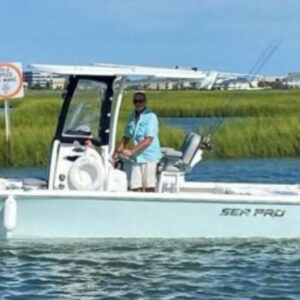
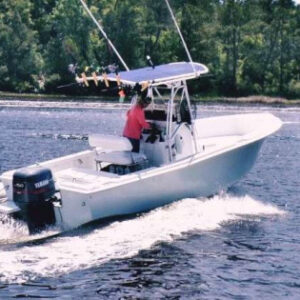
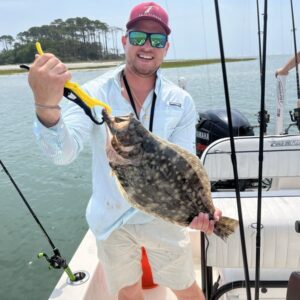
Inshore fishing takes place within bays, tidal creeks, estuaries, and along protected shorelines. These waters are heavily influenced by tides and freshwater runoff. Fish such as red drum, flounder, spotted seatrout, and black drum rely on moving water and structure for feeding opportunities.
Nearshore fishing generally occurs within a few miles of the beach. Natural hard bottom, artificial reefs, and ledges hold species like Spanish mackerel, king mackerel (seasonally), cobia, and various bottom fish. These areas are more exposed to wind and swell but remain accessible on many fair-weather days.
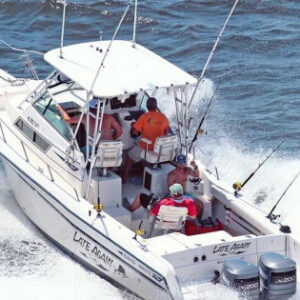
Further offshore, water depth, temperature breaks, and current edges define fishing opportunities. Pelagic species respond to subtle changes in ocean conditions, and trip planning must account for fuel range, weather windows, and safety margins.
A capable captain understands how these environments overlap and how conditions in one area often influence another. Heavy rainfall inland, for example, can affect salinity and fish behavior well beyond the immediate shoreline.
Fish presence along the South Carolina coast changes throughout the year. Spring often brings increased activity as water temperatures rise. Summer patterns are shaped by heat, boat traffic, and early-morning feeding windows. Fall can be one of the most productive periods due to bait migrations, while winter fishing focuses on deeper holes, structure, and slower presentations.
Tides are among the most important factors in inshore and nearshore fishing. Moving water concentrates bait and positions fish predictably. Understanding not just tide height but also tide direction and speed is critical. A strong outgoing tide in a narrow creek can fish very differently than a gentle incoming tide over a flat.
Wind direction, barometric pressure, and recent sea conditions all play a role. Clear water may require lighter leaders and stealth, while stained water can favor vibration and scent-based presentations. Offshore, even small changes in wind forecast can determine whether a trip is practical or better adjusted closer to shore.
Fish relate to structure for protection and feeding efficiency. Along this coast, productive structure includes:
Oyster beds and marsh edges
Creek mouths and channel bends
Nearshore reefs and wrecks
Ledges and depth changes offshore
Rather than relying on fixed locations, experienced captains evaluate how structure interacts with current and bait presence on a given day. A spot that produces consistently in one season may be unproductive in another due to changing water flow or forage patterns.
Not all fishing trips are defined by distance offshore. Charter styles are better understood by time commitment, physical effort, and environmental exposure.
These trips focus on maximizing fishing time with minimal travel. They are efficient, adaptable, and less affected by offshore weather.
Nearshore trips balance variety and accessibility. They require more travel than inshore outings but often offer a wider range of species.
Offshore trips demand longer run times and favorable conditions. Planning emphasizes fuel management, weather monitoring, and realistic expectations based on seasonal patterns.
Understanding these differences helps anglers select trips that match their interests rather than simply choosing the farthest destination.
Different anglers benefit from different styles of trips:
Families and first-time anglers often prefer inshore or protected nearshore waters where conditions are calmer and techniques are straightforward.
Vacationers with limited time benefit from efficient trips that focus on seasonal targets rather than long travel.
Experienced anglers may prioritize technique-driven trips or offshore opportunities when conditions allow.
A thoughtful captain evaluates these factors during trip planning rather than applying a one-size-fits-all approach.
Professional charter operations rely on structure and compliance rather than informal practices. Captains are U.S. Coast Guard–licensed, which requires documented experience, testing, and ongoing credential maintenance.
Safety protocols typically include:
Pre-departure weather review
Vessel inspections and safety equipment checks
Clear communication regarding trip expectations
Conservative decision-making when conditions change
These practices are not marketing points; they are operational necessities that protect passengers and crew alike.
The defining characteristic of a capable charter captain in this region is adaptability. Conditions change quickly along the South Carolina coast, and productive fishing often depends on the willingness to adjust plans rather than force a predetermined agenda.
This adaptive approach allows Low Country Fishing Charters to operate across a wide geographic area while maintaining consistency in decision-making and trip quality. The focus remains on reading conditions, applying appropriate techniques, and aligning the trip with realistic outcomes.
Readers who want to explore specific trip options or learn how these principles are applied in practice can review the available fishing trips and educational resources on the Low Country Fishing Charters website. Booking decisions are best made after understanding how regional conditions, seasons, and trip styles align with personal goals.
How does fishing differ between Myrtle Beach and Murrells Inlet?
Each area has distinct tidal flow, structure, and bait patterns, requiring different approaches even on the same day.
Are offshore trips always better than inshore trips?
Not necessarily. Productivity depends on season, conditions, and angler preferences rather than distance alone.
How important are tides for inshore fishing?
Tides strongly influence fish positioning and feeding behavior in shallow water environments.
What determines whether a trip goes inshore or nearshore?
Weather, sea state, seasonal fish presence, and angler comfort all factor into that decision.
Is fishing productive year-round in South Carolina?
Yes, but techniques and target species change significantly by season.
How do captains decide where to fish on a given day?
Decisions are based on recent conditions, weather forecasts, water temperature, and bait activity.
What experience level is required to enjoy a charter trip?
Trips can be adjusted for beginners through experienced anglers depending on goals and conditions.
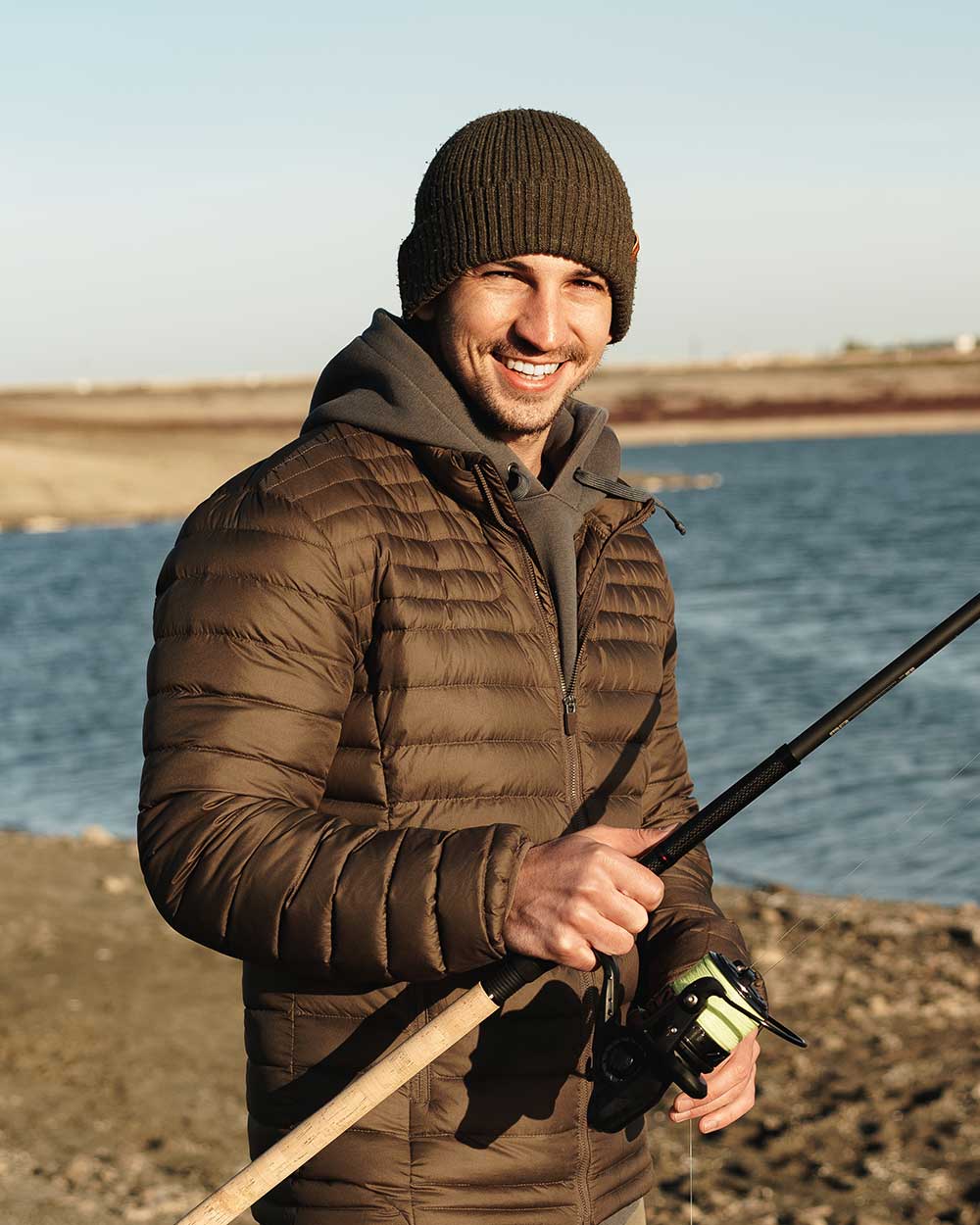
captain keith logan, flounder fishing charters captain keith logan, inshore fishing in north myrtle beach and captain keith logan, captain danny juel
Low Country Fishing Charters stands out due to its commitment to providing exceptional fishing experiences tailored to both novice and experienced anglers. With a team of skilled captains who possess extensive local knowledge, customers can expect personalized service that enhances their fishing adventure.
Each charter is designed to cater to the specific interests of the group, whether it's deep-sea fishing for trophy catches or a family-friendly backwater excursion. The captains are not only adept at finding fish but are also passionate about sharing their love of fishing and the local ecosystem with guests.
We offer a variety of fishing charters to suit different preferences and skill levels. From inshore and nearshore fishing to deep sea and shark fishing, our charters are equipped to provide a diverse range of fishing experiences for all types of anglers.
Each type of charter focuses on specific fishing techniques and target species, ensuring that guests have the best chance of making memorable catches. Additionally, eco-tours are available for those interested in exploring the natural beauty of Myrtle Beach while learning about its marine life.
Booking a fishing charter with Low Country Fishing Charters is a straightforward process designed to make your experience as seamless as possible. Customers can view available captains, select their desired charter type, and easily schedule their trip online.
Our user-friendly booking system allows guests to choose dates, times, and specific captains based on their preferences. For any inquiries or special requests, our customer service team is readily available to assist in customizing your fishing adventure.
Customer feedback is essential to our business, and we take pride in the positive experiences shared by our guests. Many customers highlight the professionalism and expertise of our captains, as well as the enjoyable atmosphere during their fishing trips.
Testimonials often mention successful catches, the beauty of the local waters, and the overall satisfaction with the service provided. We encourage potential customers to read through these reviews to gain insight into what they can expect when choosing Low Country Fishing Charters.