Deep sea fishing Murrells Inlet trips put anglers on the water fast, since the inlet opens almost directly onto the Atlantic without a long inland run. Because of this access, Murrells Inlet has become one of the most practical departure points along South Carolina’s Grand Strand for reaching offshore structure, live bottom, and the fish that hold there. Low Country Fishing Charters runs private trips from the area with USCG-licensed captains who plan each outing around tides, weather, and the group’s experience level. This guide explains what to expect, when to go, and how to choose the right trip.
Quick Answer: Deep sea fishing Murrells Inlet is a term describing offshore charter trips that depart Murrells Inlet, South Carolina, and travel several miles into the Atlantic to fish deeper structure such as live bottom, artificial reefs, and wrecks. Target species often include grouper, snapper, king mackerel, and occasionally pelagic fish near the Gulf Stream, with the exact mix depending on season and conditions.
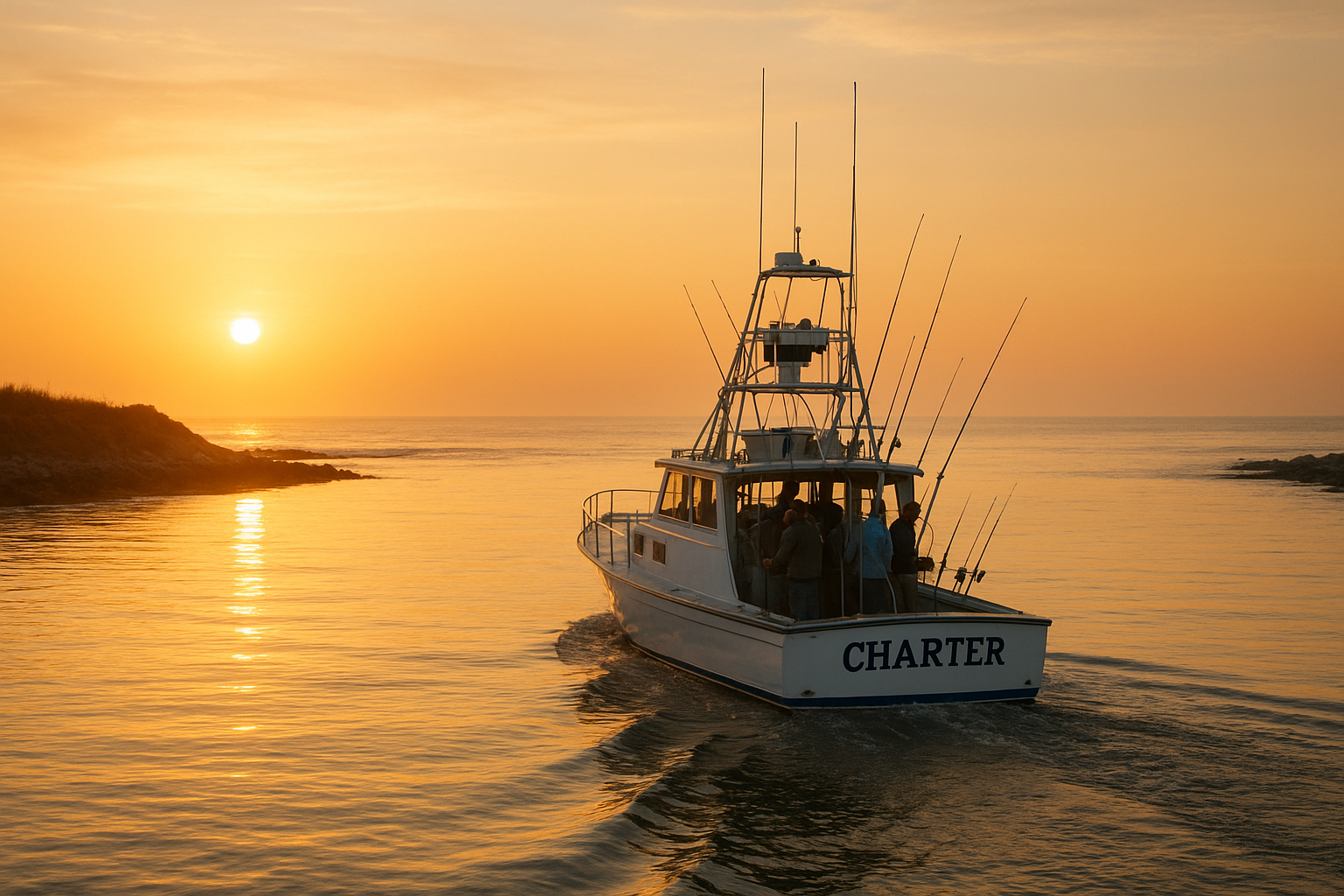
A private charter heads out for a morning of deep sea fishing Murrells Inlet style, running offshore while conditions are calm.
What Is Deep Sea Fishing in Murrells Inlet?
Deep sea fishing is ocean fishing conducted in deeper water, usually well beyond nearshore reefs, where bottom structure and current edges concentrate fish. In the Murrells Inlet context, this means boats leave the protected inlet and run offshore to reach live bottom, wrecks, and artificial reef sites built specifically to attract fish.
Unlike inshore trips that stay inside creeks and marshes, deep sea charters spend most of their time in open ocean water. As a result, these trips typically require more travel time, calmer conditions for comfort, and gear suited to heavier fish. However, the payoff is access to species and structure that simply are not available closer to shore.
Deep Sea Fishing vs. Offshore and Gulf Stream Trips
The terms deep sea, offshore, and Gulf Stream fishing overlap, but they are not always identical. Offshore fishing generally refers to trips targeting reefs, wrecks, and live bottom at moderate distances from shore. Deep sea fishing covers much of the same water but emphasizes bottom structure in deeper zones.
Gulf Stream trips, in contrast, push farther out to reach the warm Atlantic current itself. According to Wikipedia’s overview of the Gulf Stream, this current can move at speeds up to roughly 5.6 miles per hour in places, concentrating baitfish and the larger species that follow them. For a season-specific look at how timing affects these trips, see this guide on deep sea fishing in December.
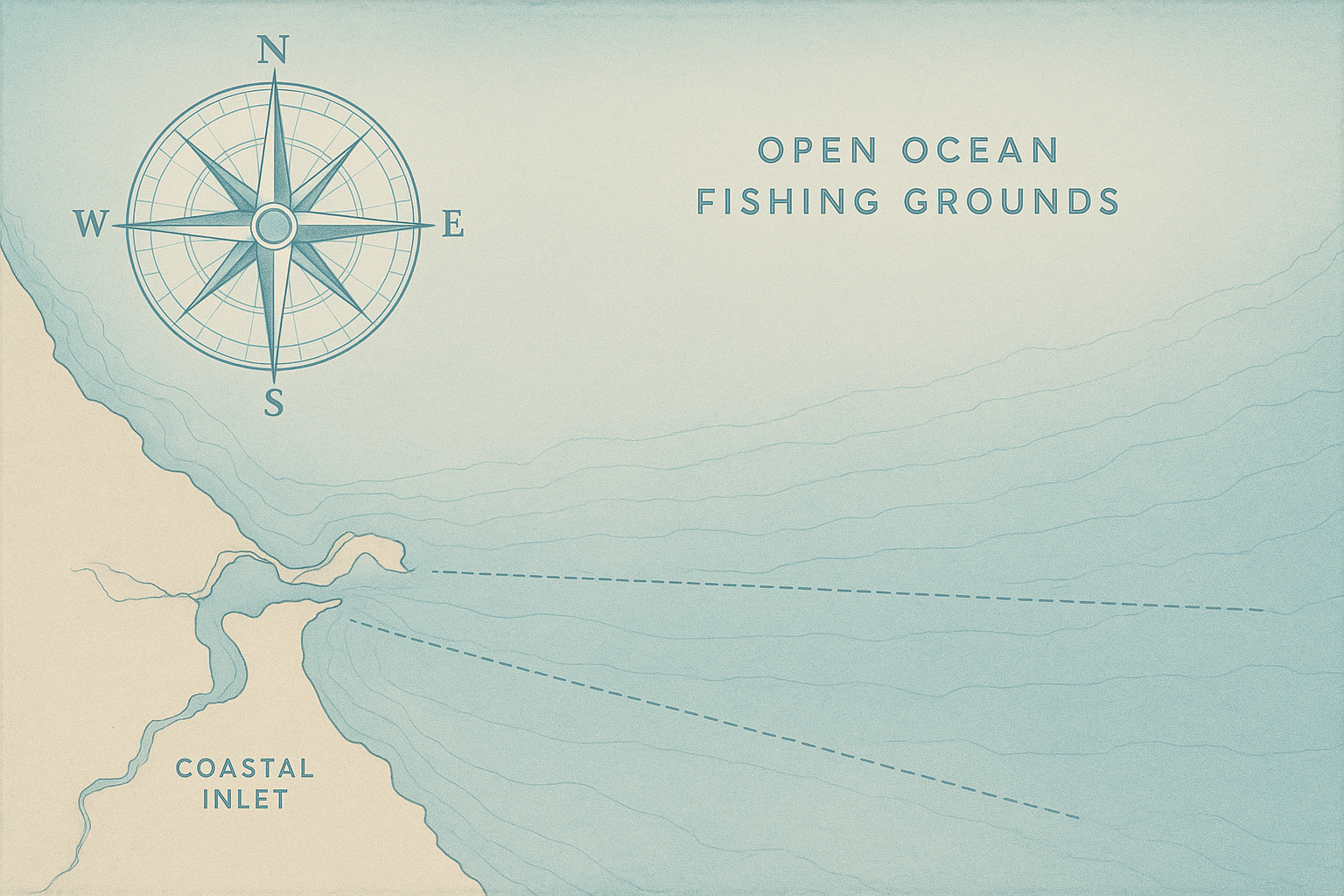
Distance from shore plays a major role in deciding which offshore trip type fits a group best.
Best Time for Deep Sea Fishing Murrells Inlet by Season
Warmer months typically bring more stable sea conditions and a wider variety of species within reach, which is why spring through early fall is popular for offshore trips. In contrast, late fall and winter can still produce strong bottom fishing results, particularly on calm weather windows between fronts.
Because conditions change quickly on the open ocean, captains track tides, wind direction, and swell height before confirming any deep sea trip. Specifically, a flat sea state matters more for offshore comfort than it does for inshore fishing, since the ride out and back covers far more open water.
Species You May Catch Offshore
Common targets on Murrells Inlet deep sea trips include grouper, snapper, and king mackerel, along with occasional pelagic species when conditions allow a run toward the Gulf Stream. Specific catches are never guaranteed, since fish behavior shifts with water temperature, bait presence, and current.
For broader context on regional species management, NOAA Fisheries tracks stock assessments for many of the reef and bottom fish found along the South Carolina coast. Anglers interested in a calmer, inshore alternative can also compare notes with this guide to flounder fishing in Myrtle Beach.
How to Book a Deep Sea Fishing Charter in Murrells Inlet
Booking a private offshore trip is straightforward once you know your group’s priorities. Follow these steps:
- Decide on trip type and goals: Think about whether you want to target bottom fish, troll for pelagic species, or combine both, and consider how many hours your group can comfortably spend offshore.
- Check seasonal timing and weather windows: Review which months typically produce the species you want and stay flexible, since captains make final weather-related calls close to the trip date for safety.
- Confirm group size and departure location: Share your group size, experience level, and preferred departure point such as Murrells Inlet so the captain can match you with the right boat and itinerary.
- Reserve your private charter online: Complete the online reservation, provide contact details and any special requests, then wait for confirmation of your departure time, dock location, and trip length.
You can check current availability directly through Low Country Fishing Charters to see open dates for private deep sea trips departing the Grand Strand.
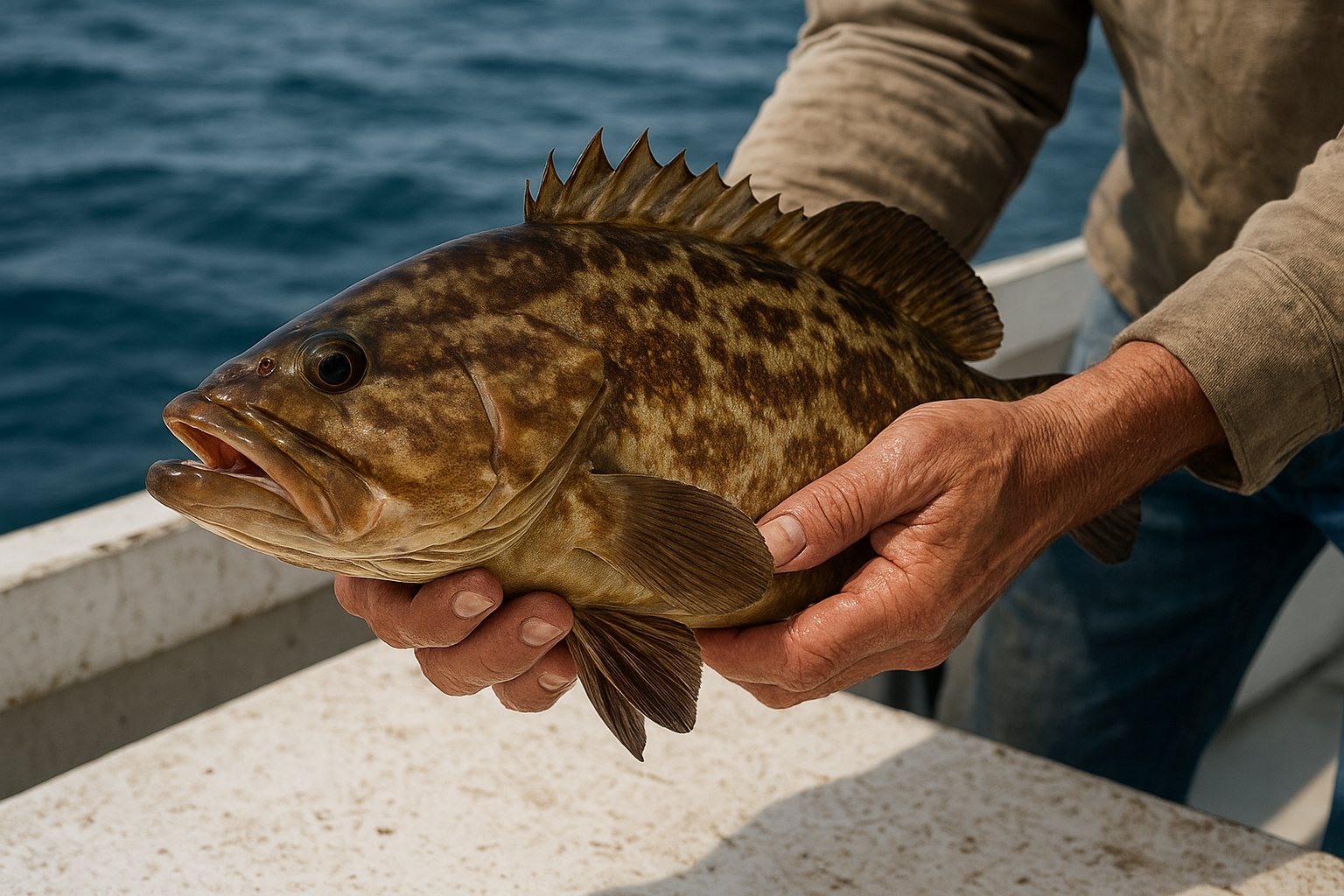
Bottom structure offshore often holds grouper and snapper during warmer months.
What’s Included and What to Bring
Every charter includes fishing rods, reels, bait, tackle, and required fishing licenses, so guests do not need to arrive with their own gear. In addition, each trip is private and reserved solely for the booking party, meaning you will not be placed on a boat with unrelated anglers.
Guests should still plan ahead for comfort. Sunscreen, polarized sunglasses, non-slip shoes, a light jacket, and motion sickness remedies are all worth packing for a longer offshore run. Checking regulations through the South Carolina Department of Natural Resources can also help travelers understand general saltwater fishing rules in the state, even though required licenses are already covered by the charter.
Choosing Between Deep Sea, Nearshore, and Inshore Trips
Not every group wants a long offshore run. Families with young children or first-time anglers often prefer calmer water, which is why inshore and backwater trips through coastal creeks and marshes remain popular alternatives. These trips trade distance for comfort while still offering productive fishing.
For a closer look at that option, visit this overview of inland fishing charters near Myrtle Beach. Meanwhile, anglers planning a Grand Strand visit can review local conditions and trip planning tips on this Myrtle Beach fishing guide before deciding which style of trip fits their group best.
Frequently Asked Questions About Deep Sea Fishing Murrells Inlet
What is deep sea fishing in Murrells Inlet?
Deep sea fishing Murrells Inlet refers to private charter trips that depart from Murrells Inlet, South Carolina, and travel several miles into the Atlantic to fish live bottom, wrecks, and artificial reefs. These trips target species such as grouper, snapper, and king mackerel, depending on the season and conditions.
How far offshore do deep sea fishing trips travel from Murrells Inlet?
Distance depends on the trip booked, but deep sea trips typically run well beyond nearshore reefs to reach structure in deeper water. Gulf Stream trips go farther still, often requiring a longer run time, while standard offshore trips stay closer to productive bottom structure.
How long does a deep sea fishing charter in Murrells Inlet last?
Trip length varies by itinerary and target species, with offshore and deep sea charters generally running longer than inshore trips because of travel time to and from fishing grounds. Your captain will confirm the expected duration when you book.
What fish can you catch on a Murrells Inlet deep sea trip?
Anglers may encounter species like grouper, snapper, king mackerel, and occasionally pelagic fish near the Gulf Stream, though catches are never guaranteed. The specific species available shift with season, water temperature, and local fishing reports.
How much does deep sea fishing in Murrells Inlet cost?
Pricing depends on trip length, boat selection, and group size, since every charter is private and reserved for the booking party. Checking availability online provides an accurate quote for the specific dates and trip type you want.
What is the best time of year for deep sea fishing Murrells Inlet?
Warmer months generally bring more stable offshore conditions and a wider mix of species, while late fall and winter can still produce strong bottom fishing on calmer weather windows. Your captain adjusts recommendations based on current seasonal patterns.
Is deep sea fishing different from offshore or Gulf Stream fishing?
These terms overlap but describe slightly different distances and techniques. Offshore fishing generally covers reefs and wrecks closer to shore, while Gulf Stream trips push farther out to reach the warm current and its associated pelagic species.
Do I need a fishing license for a deep sea charter?
No, required fishing licenses are included with every charter, so guests do not need to purchase one separately. Rods, reels, bait, and tackle are also provided as part of the trip.
What should I bring on a deep sea fishing trip?
Guests should pack sunscreen, sunglasses, non-slip shoes, a light jacket, and motion sickness remedies if needed, since conditions can change offshore. Snacks and water are also recommended for longer trips.
Is deep sea fishing suitable for beginners or kids?
Deep sea trips can involve longer boat rides and rougher water than inshore fishing, so families with young children or first-time anglers sometimes prefer inshore or nearshore options instead. Captains can help match a group’s experience level to the right trip.
What happens if the weather is bad on my trip day?
Captains make the final call on operating based on wind, swell, and storm activity, prioritizing safety above all else. If conditions are unsafe, trips are typically rescheduled rather than run in poor weather.
How do I book a private deep sea fishing charter in Murrells Inlet?
Guests can check availability and reserve a private charter directly online by selecting a trip type, date, and group size. Confirming the departure location in advance helps ensure a smooth start to the trip.
What is the difference between deep sea fishing and inshore fishing?
Inshore fishing stays within coastal creeks, marshes, and brackish waterways, while deep sea fishing travels out into open ocean water to reach structure far from shore. The two trip types target different species and suit different group preferences.
Final Thoughts on Planning Your Trip
Deep sea fishing Murrells Inlet trips offer a practical way to reach serious offshore structure without a long inland drive first, since the inlet sits right on the Atlantic. Whether a group wants to chase bottom fish over live bottom or push farther toward the Gulf Stream, matching the trip type to experience level and weather patterns makes the biggest difference in overall enjoyment.
Ultimately, choosing between deep sea, nearshore, and inshore options comes down to how much time, comfort, and distance a group is ready for. Reach out through Low Country Fishing Charters to check availability, confirm a departure location, and book a private, USCG-licensed charter suited to your group’s goals.


