If you just searched fishing charters near me, you already know the problem: dozens of results, almost no context, and no easy way to tell which trip actually fits your group, your budget, or this week’s weather. This guide fixes that. Below, you will find a complete breakdown of trip types, pricing factors, boat amenities, target species by season, a full booking walkthrough, and the mistakes that trip up first-time charter guests — built specifically for anglers along the Grand Strand, including Myrtle Beach, North Myrtle Beach, Little River, Murrells Inlet, Surfside Beach, Garden City, and Pawleys Island.
Quick answer: The fastest way to evaluate fishing charters near me is to confirm the captain’s USCG license, ask whether the trip is private or a shared head-boat, check what gear and licensing are included, and match the trip type — inshore, nearshore, offshore, or Gulf Stream — to your group’s experience, budget, and the season.
Why Grand Strand Anglers Choose Low Country Fishing Charters
- 25 years guiding anglers across Myrtle Beach, North Myrtle Beach, Little River, Murrells Inlet, Surfside Beach, Garden City, and Pawleys Island
- Every trip is privately booked for your group only — no shared head-boat seating with strangers
- USCG-licensed captains plus rods, reels, bait, tackle, and required fishing licenses included
- Trip options spanning inshore, nearshore, offshore, Gulf Stream, and shark fishing charters
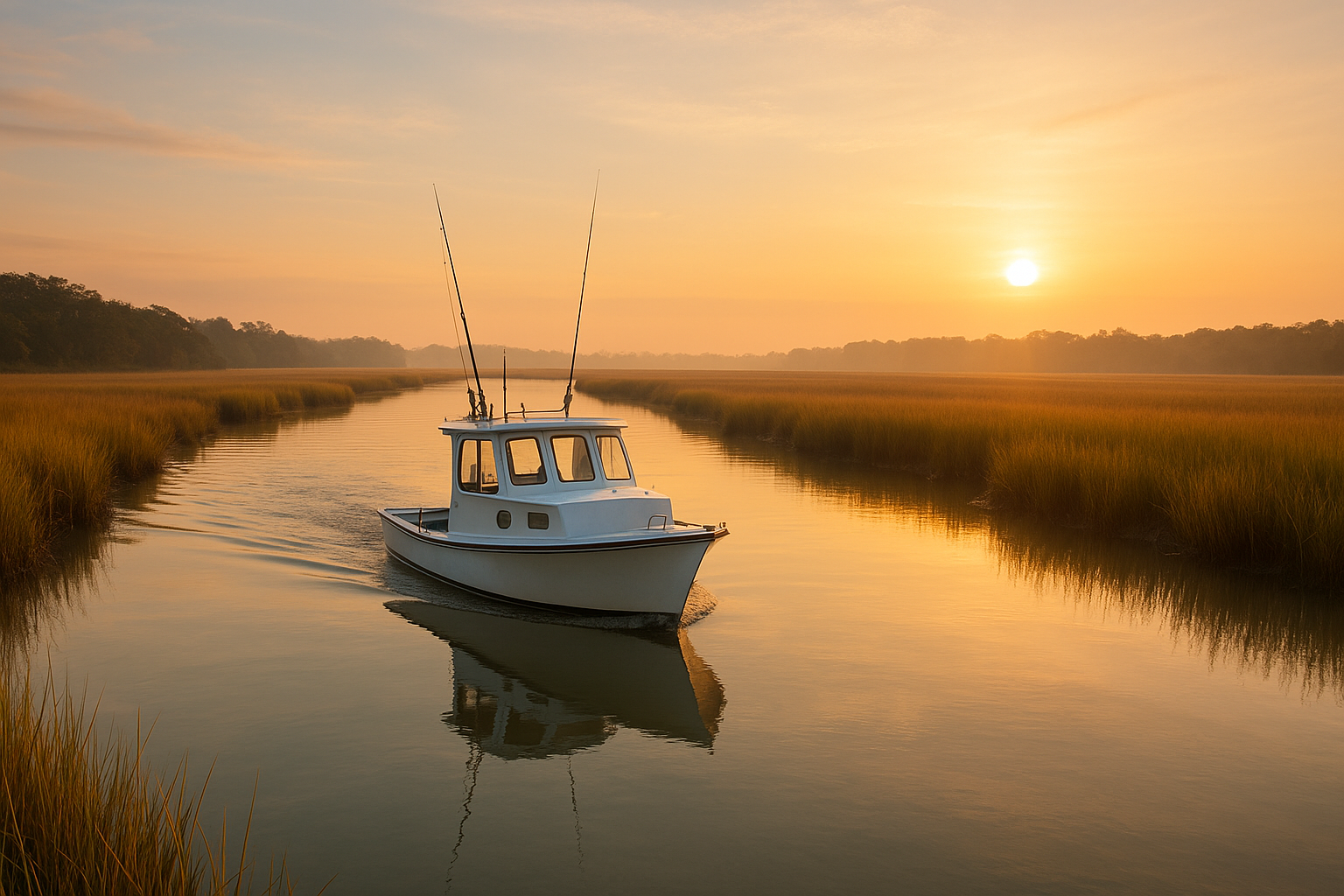
Local inshore trips are one of the most popular answers people find when searching for fishing charters near me along the Grand Strand.
What Does “Fishing Charters Near Me” Actually Mean for Grand Strand Anglers?
Fishing charters near me is the phrase anglers type when they want a local, guided fishing trip filtered by location, trip type, and availability. In practice, that search returns everything from large shared head-boats carrying dozens of strangers to small private charters built around one group. Because the results look similar at a glance, it takes a closer look to tell them apart.
Therefore, it helps to know your own goals before clicking the first listing. For example, a family with young children usually needs a slower-paced inshore trip, while a group chasing trophy fish offshore wants a bigger boat and more running time. Similarly, someone hoping for a quiet morning in the marsh has very different needs than a group booking a shark fishing charter. Knowing this upfront saves you from booking the wrong trip and finding out too late.
Local Charter Fishing vs. Generic Directory Listings
Generic directory sites aggregate listings from anywhere in the country, which means a “near me” result can technically be local but still mismatched to your actual needs. In contrast, booking directly through an established local charter fishing operator gives you accurate, real-time availability, honest trip descriptions, and a direct line to the captain if your plans change.
Above all, directories rarely verify licensing, boat condition, or whether a trip is private. Consequently, treat aggregator results as a starting point for research, not a final decision. Once you narrow your list, confirm the details that matter most directly with the company — ideally before you enter any payment information.
How to Evaluate Local Charter Fishing Companies Before You Book
Not every listing for local charter fishing describes the same experience, so a short checklist goes a long way. The sections below cover exactly what to confirm before you hand over a deposit.
Confirm the Captain Holds a Valid USCG License
In particular, confirm the captain holds a valid United States Coast Guard license, meaning they have passed federal safety, navigation, and operating exams required to carry paying passengers. This single credential separates a professional operation from an unlicensed boat owner offering informal trips.
Ask Whether the Trip Is Private or a Shared Head-Boat
In addition, ask whether the trip is private or shared. Low Country Fishing Charters, for instance, reserves every charter exclusively for the booking party rather than placing unrelated groups together on the same boat. As a result, your group controls the pace, the stops, and the conversation for the entire trip — a meaningful difference from a crowded head-boat where you share rail space with strangers.
Check What’s Included Before You Pay a Deposit
Above all, confirm what’s included. Rods, reels, bait, tackle, and required fishing licenses should be part of the package, not hidden add-ons charged on the dock. You can review current trip details and availability directly through the Low Country Fishing Charters homepage or read a broader overview in this guide to the best fishing charters near Myrtle Beach.
Read Recent Reviews and Ask About Captain Experience
Finally, skim recent reviews for mentions of communication, punctuality, and how the captain handled slow fishing days — not just photos of big catches. Furthermore, do not hesitate to call ahead and ask how long the captain has fished local waters. An experienced guide adjusts tactics quickly when tides, wind, or water clarity change, which directly affects how many fish your group sees.
Matching Trip Types to Your Group’s Goals
Once you’ve vetted a company, the next step is choosing the right trip category. Specifically, charter trips generally fall into a few groups, each suited to different conditions, comfort levels, and target species.
Inshore and Backwater Trips Near the Marsh
Inshore and backwater fishing explores coastal creeks, marshes, and brackish waterways, which makes it a comfortable, sheltered option for families and first-time anglers. Because the water is calmer than open ocean, these trips are a frequent recommendation when people search nearby fishing charter options for beginners or kids. Typical catches include redfish, speckled trout, flounder, and sheepshead.
Nearshore, Offshore, and Gulf Stream Options
Nearshore trips target coastal reefs and wrecks closer to the beach, often producing king mackerel, Spanish mackerel, cobia, and black sea bass. Meanwhile, offshore and deep sea trips travel farther out for bottom fishing or trolling, reaching species like grouper and snapper. Gulf Stream trips go even farther, reaching the warm ocean current that runs along the Atlantic coast, as documented by Wikipedia’s overview of the Gulf Stream, where mahi-mahi, wahoo, and tuna are common targets. You can see specific nearshore itinerary details on the nearshore fishing charters page, and additional trip logistics on the nearshore charter booking page.
Shark Fishing and Specialty Trips
Shark fishing charters focus on proper equipment, safe handling, and responsible release practices, usually targeting blacktip and spinner sharks in warmer months. These trips tend to appeal to experienced anglers or groups looking for a more adventurous outing, though captains can adjust instruction for newcomers who are curious but new to the activity.
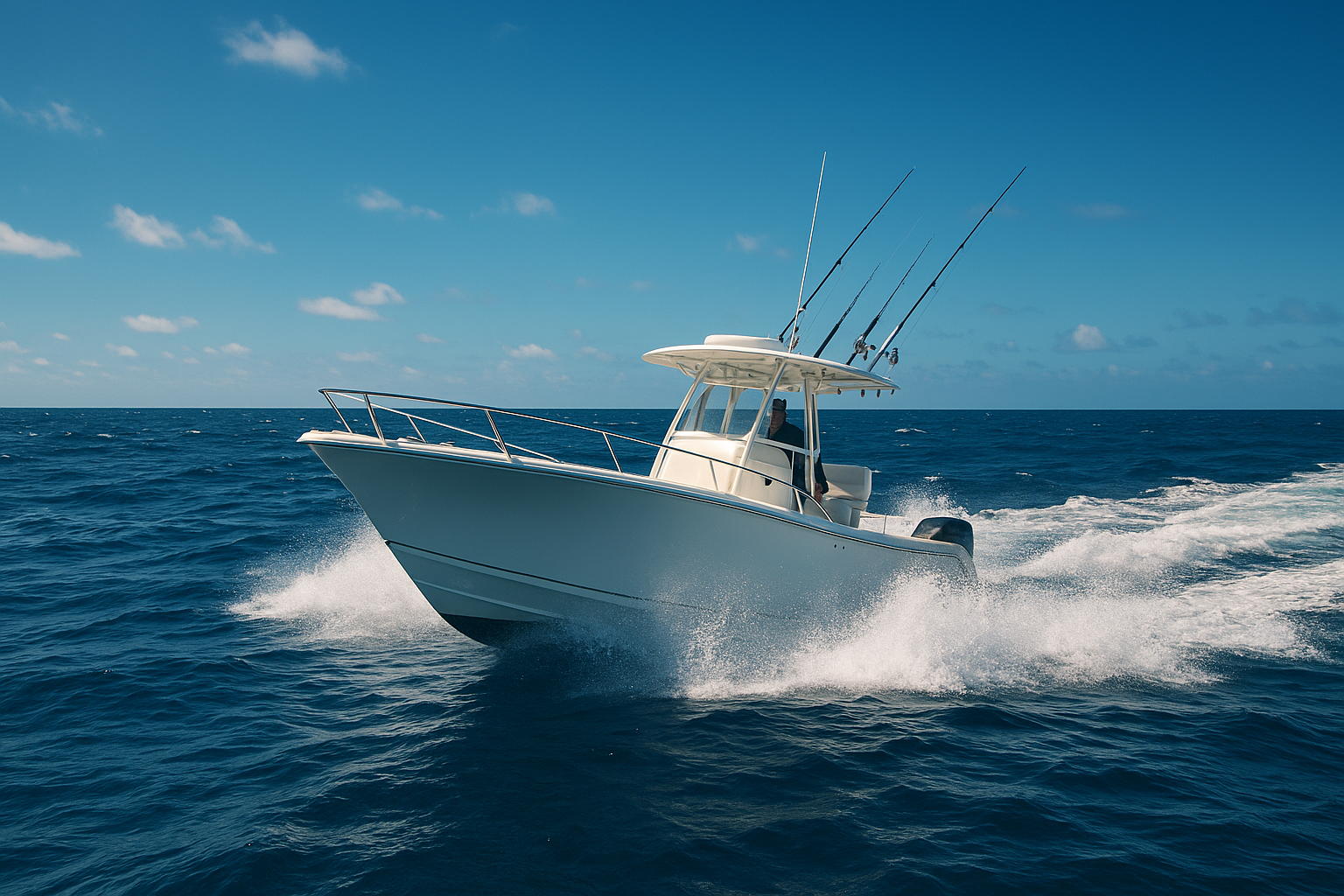
Offshore and Gulf Stream trips are a common follow-up search for anglers who start with fishing charters near me but want to fish deeper water.
Which Fish Can You Catch Near Myrtle Beach? A Seasonal Breakdown
Fish move with water temperature, so the season you book in shapes what you can realistically expect to catch. Below is a general guide; a knowledgeable captain will fine-tune the target list based on current conditions.
- Spring (March–May): Redfish, speckled trout, and flounder dominate inshore trips, while early-season king mackerel start showing up nearshore.
- Summer (June–August): Peak season for mahi-mahi, king mackerel, cobia, and shark fishing charters, with warm water pushing more species within reach.
- Fall (September–November): Bull redfish, flounder, and migrating species pass through, making this a favorite stretch for experienced inshore and nearshore anglers.
- Winter (December–February): Sheepshead and black drum remain active inshore, though offshore trips become more weather-dependent.
What to Expect Aboard: Boats, Group Size, and Amenities
Boat type affects comfort as much as it affects where you can fish. Many private charters near me operate as “six-pack” vessels, an industry term for boats licensed to carry up to six passengers under an uninspected passenger vessel certificate. Consequently, smaller groups get more attention from the mate and more space per angler than a large head-boat crowded with 40 or more guests.
In addition, ask about shade coverage, restroom access on longer trips, and whether coolers and ice are provided for your catch. Nearshore and offshore boats typically run larger engines and more electronics than inshore skiffs, since they need to cover more distance safely. If anyone in your group deals with motion sensitivity, mention it when booking, so the captain can plan a route that minimizes rough water exposure.
Fishing Charter Pricing Near Me: What Drives the Cost
Pricing varies by operator, but several consistent factors drive the final cost of any charter booking. Specifically, trip length, boat size, fuel consumption, and how far offshore you travel all factor into the rate. As a general pattern, inshore half-day trips tend to cost less than nearshore outings, while full-day offshore and Gulf Stream charters command the highest rates due to fuel costs and longer run times.
- Trip length: Half-day trips cost less than full-day excursions simply because of fuel and crew time.
- Distance traveled: Gulf Stream and deep sea trips require more fuel and running time than nearshore reef trips.
- Group size and boat type: Private charters priced per boat, rather than per person, often work out more economically for groups of four to six.
- Season and demand: Summer weekends typically carry premium pricing due to high demand, while shoulder-season weekdays may offer more flexibility.
Always confirm current rates directly with the charter company, since prices, fuel surcharges, and availability shift by season. A transparent operator will walk you through the full price breakdown before asking for a deposit.
How to Book a Nearby Fishing Charter in 6 Simple Steps
Booking a nearby fishing charter does not need to be complicated. Follow this sequence to move from research to a confirmed reservation:
- Decide which trip type fits your group by considering who is coming along and what kind of fishing experience they want, then choose between inshore, nearshore, offshore, deep sea, Gulf Stream, or shark fishing accordingly.
- Check the departure location and travel distance, since departure points along the Grand Strand can affect your drive time and morning schedule on trip day.
- Verify the captain’s USCG license and confirm whether the booking is a private charter or a shared head-boat seat before you commit any money.
- Confirm trip length, boat capacity, and whether rods, reels, bait, tackle, and fishing licenses are included before you finalize your booking.
- Select a date and review real-time availability online, keeping in mind that summer weekends and holidays often fill several weeks ahead of time.
- Complete your private reservation, pay any required deposit, and ask about arrival time, parking, and weather contingency plans so your group is ready to depart on schedule.
Choosing the Right Departure Point Along the Grand Strand
Location matters more than many anglers expect. Consequently, guests should always confirm their assigned departure point when booking, since trips may launch from Myrtle Beach, North Myrtle Beach, Little River, Murrells Inlet, Surfside Beach, Garden City, or Pawleys Island depending on the charter. Each location offers slightly different access to nearby waterways, reefs, or offshore routes, so the “closest” charter on a map is not always the fastest trip to good fishing.
You can review departure coverage across the Grand Strand on the service areas page, which outlines where private charters typically operate, or explore trip options specific to Myrtle Beach fishing charters. In contrast to a generic online map search, checking directly with the charter company ensures you get accurate, current departure information before your trip.
What to Bring (and Skip) for Your Charter Fishing Trip
A little preparation goes a long way toward an enjoyable day on the water. In particular, pack polarized sunglasses, reef-safe sunscreen, a light jacket for early mornings, non-marking rubber-soled shoes, and water or snacks for longer trips. Meanwhile, consider motion sickness medication if you are prone to it, since taking it well before departure works far better than after symptoms start.
On the other hand, you typically do not need to bring your own rods, reels, bait, or tackle, since reputable charters include this gear in the trip price. Cash for crew gratuity is also worth bringing, as tipping the mate and captain is customary in the charter fishing industry, similar to restaurant service standards.
Common Mistakes When Searching for Charter Fishing Near You
Several avoidable mistakes trip up first-time charter guests. Specifically, many people skip checking whether a listed boat holds a current USCG license, assume every charter is private when some are shared head-boats, or forget to confirm departure location until the night before their trip.
According to NOAA Fisheries, recreational saltwater anglers in the United States take well over 200 million fishing trips each year, which means competition for good boats during peak season is real (NOAA Fisheries). As a result, waiting too long to book is another common and costly mistake, especially for popular summer weekends and holiday dates.
Finally, guests should always check current South Carolina fishing regulations through the South Carolina Department of Natural Resources, even though most licensed charters already handle required licensing on your behalf.
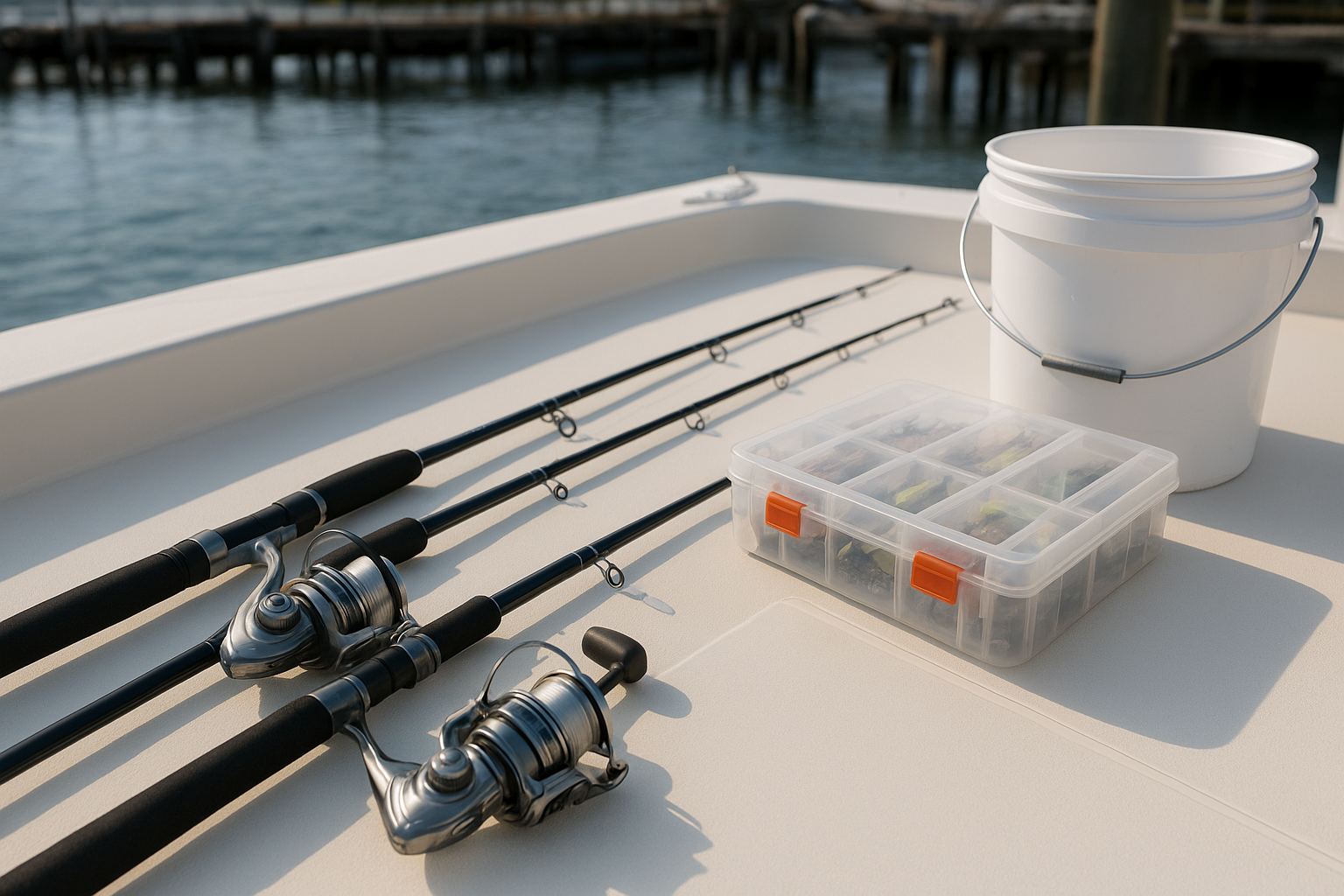
Confirming included gear is one of the simplest ways to compare fishing charters near me before booking.
Safety Standards: What a USCG License and Insurance Actually Cover
A USCG captain’s license is not a formality. In fact, earning one requires passing exams on navigation rules, weather interpretation, and emergency response, along with logging verified sea time, as outlined by the U.S. Coast Guard. Captains must also carry proper safety equipment on board, including life jackets, flares, and a working VHF radio.
Beyond licensing, ask whether the operator carries passenger liability insurance, since this protects guests in the rare event of an accident. Reputable charters are happy to discuss their safety equipment and protocols; hesitation to answer these questions is itself a warning sign worth taking seriously.
Frequently Asked Questions About Fishing Charters Near Me
What are fishing charters near me, and how do I find a good one?
Fishing charters near me refers to local charter companies offering guided fishing trips in your area, usually filtered by location and trip type. A good one has a licensed captain, clear trip descriptions, and transparent pricing before you book.
How much do private fishing charters cost near Myrtle Beach?
Pricing depends on trip length, boat type, and how far offshore you travel, since inshore trips typically cost less than deep sea or Gulf Stream charters. Always confirm current rates directly with the charter company, as prices and availability shift by season.
What’s included in a fishing charter booking?
Most reputable charters, including Low Country Fishing Charters, include rods, reels, bait, tackle, and required fishing licenses in the trip price. It is still smart to ask what is included before paying a deposit.
How long does a typical nearshore or offshore trip last?
Nearshore trips often run a few hours, while offshore and Gulf Stream trips can last a full day due to the extra travel time required to reach deeper water. Trip length is typically set when you book, based on the fishing grounds targeted.
Do I need a fishing license for a charter trip?
Not usually, because licensed charters typically include the required fishing license as part of the booking. However, it is worth confirming this detail with any company before your trip.
What is the difference between inshore and offshore fishing charters?
Inshore and backwater trips stay within creeks, marshes, and brackish waterways close to shore, while offshore trips travel into deeper ocean water to reach reefs, wrecks, or the Gulf Stream. The right choice depends on your group’s experience and comfort on the water.
Can beginners and children join a fishing charter?
Yes, many charters welcome families, children, and first-time anglers, and captains often adjust the trip pace and techniques for less experienced guests. Ask ahead about age recommendations and shade or seating options for younger children.
How far in advance should I book a fishing charter near me?
Booking one to three weeks ahead is common, especially during peak summer months when boats fill quickly. For holiday weekends or specialty trips like shark fishing, earlier booking is strongly recommended.
What happens if the weather is bad on my scheduled trip?
Captains monitor wind, tides, and sea conditions and may reschedule or adjust a trip for safety reasons. Reputable charters communicate weather decisions clearly instead of risking an unsafe outing.
Are fishing charters near me private or shared with other guests?
This varies by company, so it is important to ask directly, since some operators run shared head-boat trips while others offer private charters reserved only for your group. Low Country Fishing Charters, for example, reserves every trip exclusively for the booking party.
What’s the best season to book a fishing charter in Myrtle Beach?
Fishing opportunities shift throughout the year as species move with water temperature, so spring through fall generally offers the widest range of trip options. A knowledgeable captain can recommend timing based on current patterns and your target species.
What mistakes should I avoid when choosing charters near me?
Common mistakes include skipping captain licensing checks, assuming a trip is private when it is shared, and booking without confirming departure location or included gear. Taking a few extra minutes to verify these details prevents disappointment on trip day.
Can I keep the fish I catch on a charter trip?
In most cases yes, as long as the catch meets current size and bag limits set by state regulations. Captains stay current on these rules and will let you know on the water which fish are legal to keep that day.
Is tipping the crew expected on a fishing charter?
Yes, tipping the captain and mate is customary in the charter fishing industry, similar to restaurant service standards. A range of 15 to 20 percent of the trip cost is typical for good service, though it is always at your discretion.
What’s a “six-pack” charter, and why does boat size matter?
A six-pack charter is a boat licensed under an uninspected passenger vessel certificate to carry up to six paying guests. Smaller boats like these typically mean more individual attention from the crew compared to large shared head-boats.
Final Thoughts: Book the Right Fishing Charter Near You With Confidence
In the end, finding the right fishing charters near me comes down to a few simple checks: confirm the captain’s license, clarify whether the trip is private, match the trip type and season to your group, verify your departure point, and understand what’s included before you pay. Low Country Fishing Charters has guided Grand Strand anglers for 25 years with USCG-licensed captains, included gear, and private trips tailored to families, beginners, and experienced anglers alike. You can review trip options and check availability directly at lowcountryfishingcharters.com or browse this detailed Myrtle Beach charter guide before you reserve your next trip.


