Inshore Fishing in Myrtle Beach: Species, Seasons, and Tactics Explained
Inshore fishing in Myrtle Beach offers one of the most accessible and educational saltwater fishing experiences along the South Carolina coast. Unlike offshore fishing, which often requires long runs and stable weather windows, inshore fishing takes place in protected waters such as tidal creeks, marshes, estuaries, and backwater systems.
These environments support a wide range of species throughout the year and allow anglers to focus on technique, timing, and fish behavior rather than distance traveled. For visitors researching fishing charters in Myrtle Beach, understanding inshore species patterns helps set realistic expectations and choose trips that align with experience level and seasonal conditions.
This pillar page serves as a central reference for inshore fishing species in the Myrtle Beach region. It explains how inshore fisheries work, what species are commonly targeted, and how seasonal and tidal factors influence success. From here, readers can explore detailed species-specific guides linked throughout this page.
Inshore fishing in Myrtle Beach takes place in protected coastal waters
Species availability changes seasonally, but fishing is available year-round
Tides influence inshore fishing more than time of day
Inshore trips are well suited for beginners and families
Local habitat knowledge is critical for success
Species often overlap around similar structure
What Defines Inshore Fishing in Myrtle Beach
Inshore fishing refers to angling within bays, estuaries, creeks, marshes, and near-inlet waters. These areas are influenced by tides rather than offshore currents and are typically calmer than open ocean environments.
Along the Grand Strand, inshore fishing focuses on:
Marsh grass edges
Oyster beds
Creek mouths
Dock pilings
Tidal drop-offs
Anglers exploring inshore fishing in Myrtle Beach often find that small changes in tide height or current direction significantly impact fish positioning.
Core Inshore Species in Myrtle Beach
Flounder
Flounder are one of the most requested inshore species due to their table quality and shallow-water habits. They favor sandy bottoms near structure and are highly tide-dependent.
A full breakdown of seasonal timing, locations, and techniques is covered in our dedicated guide to flounder fishing in Myrtle Beach.
Redfish (Red Drum)
Redfish are a year-round inshore species in South Carolina. They thrive around marsh edges, oyster beds, and creek mouths and are known for aggressive strikes during moving tides.
Their availability across seasons makes them a cornerstone species for Myrtle Beach inshore fishing.
Speckled Trout
Speckled trout are most active during cooler months and transitional seasons. They prefer clean water, grass flats, and areas with consistent bait presence.
Trout fishing often overlaps with redfish and flounder habitats, especially during spring and fall.
Black Drum and Sheepshead
These structure-oriented species are commonly found around docks, pilings, and bridges. They feed heavily on crustaceans and are often targeted during cooler months.
Their predictable behavior makes them excellent educational species for learning bait presentation and bottom awareness.
Seasonal Patterns for Inshore Species
Spring
Spring marks a period of increased activity as water temperatures rise. Many species move into shallower water, making them easier to target.
Flounder, trout, and redfish become more active during warming trends.
Summer
Summer brings peak bait activity and consistent inshore action. Early mornings and late afternoons are often most productive.
Protected waters make summer inshore fishing appealing for families and first-time anglers.
Fall
Fall is widely considered the most reliable season for inshore fishing. Cooling water triggers feeding behavior, and multiple species overlap in similar areas.
Many anglers consider fall the best overall season for targeting multiple inshore species in one trip.
Winter
Winter fishing focuses on deeper channels and structure. While fewer species are active, redfish, black drum, and sheepshead remain available.
Success during winter depends heavily on tide timing and weather stability.
Tides, Structure, and Fish Positioning
Inshore fishing success depends more on tide movement than clock time. Moving water positions bait and triggers feeding behavior.
Outgoing tides often concentrate fish along creek mouths and drop-offs, while incoming tides push fish shallow.
Understanding these dynamics is a recurring theme across all inshore species guides.
Inshore Fishing for Families and Beginners
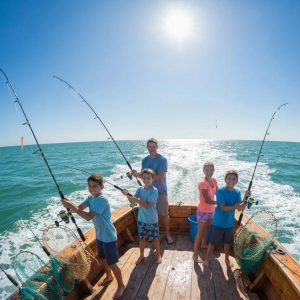
Inshore fishing is one of the most family-friendly fishing options available in Myrtle Beach. Calm water, shorter trip durations, and steady action make it ideal for beginners.
Many families choose trips through family fishing charters in Myrtle Beach because they emphasize comfort, safety, and hands-on learning.
Choosing the Right Inshore Charter Style
Different inshore environments suit different goals:
Backwater fishing charters in Myrtle Beach focus on shallow creeks and marshes
Inland fishing charters in Myrtle Beach prioritize protected waters
Inshore fishing charters in Myrtle Beach balance multiple habitats
Understanding these distinctions helps match trip style to expectations.
Local Knowledge and Experience
Successful inshore fishing relies on understanding subtle changes in tide, water clarity, and bait movement. These patterns are learned through experience rather than charts.
Anglers researching regional expertise often review captains such as Captain Keith Logan and crews associated with Low Country Fishing Charters to understand how local knowledge shapes trip outcomes.
How This Pillar Fits Into the Larger Cluster
This page functions as the species hub for Myrtle Beach inshore fishing. It links out to detailed species guides and supports broader comparison content such as the North Carolina vs South Carolina Fishing pillar.
From here, readers can explore:
Species-specific behavior
Seasonal timing
Regional comparisons
Charter types and environments
Conclusion
Inshore fishing in Myrtle Beach is defined by variety, accessibility, and seasonal opportunity. Rather than relying on distance or depth, inshore success comes from understanding tides, structure, and species behavior.
Whether targeting flounder, redfish, trout, or structure-oriented species, inshore fishing offers a practical and educational way to experience South Carolina’s coastal waters. For anglers comparing fishing options, this approach often provides the best balance of comfort, learning, and consistency.
Engagement Prompt
If you are exploring inshore fishing options and want to understand how different species behave throughout the year, the detailed guides linked from this page can help you plan with confidence.
References
South Carolina Department of Natural Resources – Marine Fisheries
NOAA Tides & Currents
U.S. Coast Guard Recreational Boating Safety
FAQs
What species are considered inshore fish in Myrtle Beach?
Common inshore species include flounder, redfish, speckled trout, black drum, and sheepshead.
Is inshore fishing available year-round in Myrtle Beach?
Yes. While species availability changes seasonally, inshore fishing is possible throughout the year.
What is the best tide for inshore fishing?
Moving tides, especially outgoing tides, generally produce the best inshore fishing results.
Is inshore fishing good for beginners?
Yes. Inshore fishing is one of the most beginner-friendly fishing options due to calm water and shorter trips.
How long are inshore fishing trips?
Inshore trips typically range from a few hours to half-day outings, depending on conditions and goals.
Do inshore species overlap in the same areas?
Yes. Many inshore species share similar structure and habitats, especially during peak seasons.