Local fishing charters give anglers in Myrtle Beach and the Grand Strand a way to book a private boat, a licensed captain, and an itinerary built around their own goals rather than a packed public boat schedule. Whether you are hoping to catch redfish in a quiet marsh or chase something bigger offshore, choosing the right charter company matters just as much as picking the right day on the water. This guide walks through what local fishing charters actually include, how trip types differ, and which questions to ask before you reserve a boat.
Quick Answer: Local fishing charters are private boat trips led by a regional, licensed captain who knows nearby waters, tides, and seasonal fish patterns. Unlike shared public trips, a local charter is reserved exclusively for your group, and gear, bait, tackle, and required fishing licenses are typically included in the price.
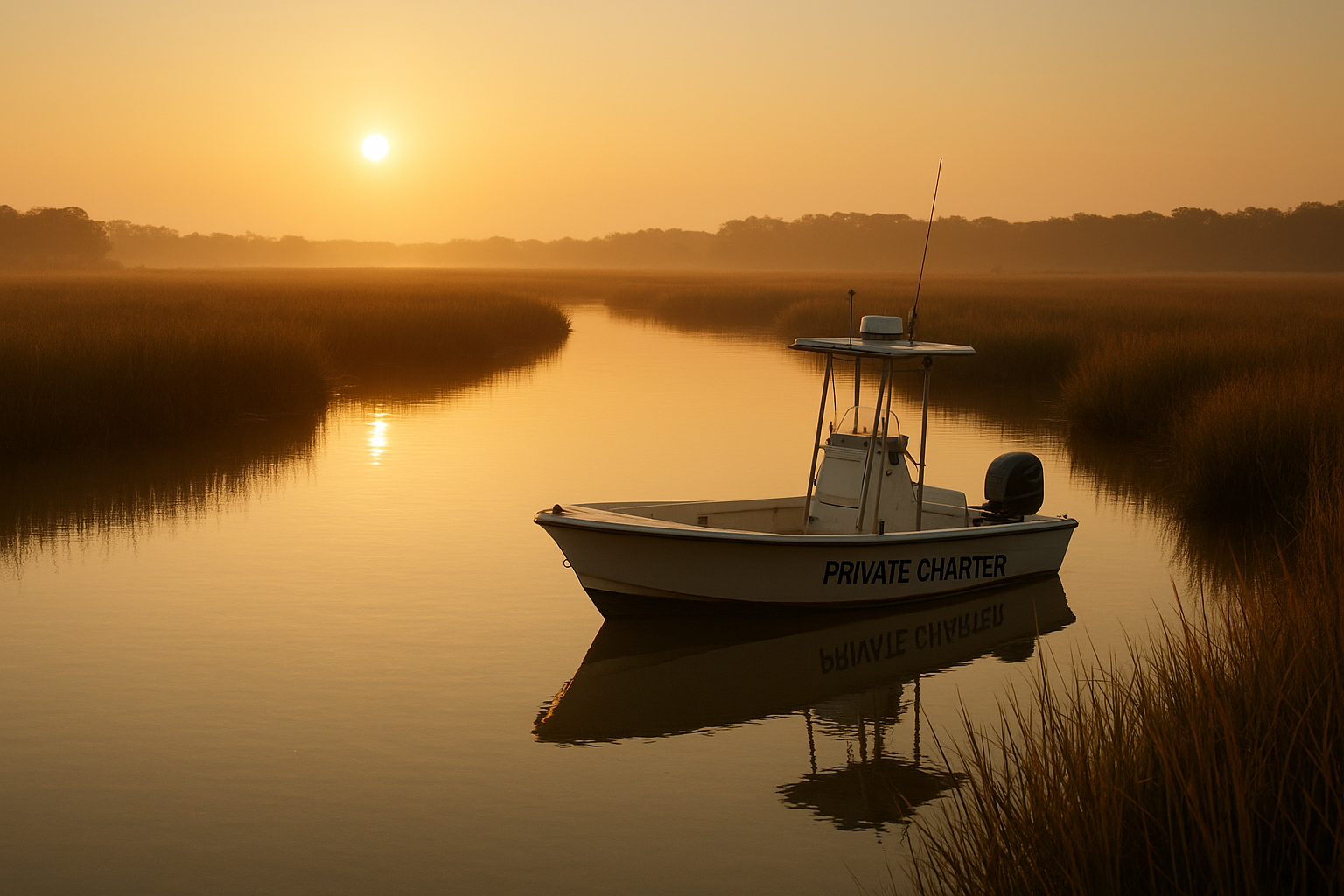
Local fishing charters often begin before sunrise to take advantage of changing tides in coastal creeks.
What Are Local Fishing Charters?
Local fishing charters are private boat trips operated by a captain based in the area you plan to fish, rather than a large national booking platform that resells seats on unrelated boats. In particular, this matters along the Grand Strand, where tides, inlet currents, and seasonal fish movement change quickly between Little River and Pawleys Island.
A licensed local captain plans the trip around current conditions instead of a fixed script. For example, a USCG-licensed captain familiar with Myrtle Beach waterways can shift a trip from a planned nearshore reef to a protected creek if wind picks up, something a distant operator cannot do as reliably.
Why Choose a Local Captain Over a National Booking Site
National booking platforms often list charters from many regions without firsthand knowledge of local conditions. In contrast, a regional charter company works the same waters week after week, which builds a practical understanding of tide timing, seasonal fish behavior, and which docks offer the easiest access for families or first-time anglers.
Consequently, private fishing charters booked directly with a local operator tend to offer clearer communication about departure points, trip length, and what is included. Low Country Fishing Charters, for instance, is reserved entirely for the booking party, so there is no mixing with unrelated groups on the same boat.
Types of Trips Offered Along the Grand Strand
Not every charter trip is the same, so it helps to understand the main categories before comparing options.
Inshore and Backwater Fishing
Inshore and backwater trips stay within coastal creeks, marshes, and brackish waterways, making them a comfortable choice for families, children, and first-time anglers. These trips emphasize practical instruction and tend to be more forgiving if wind picks up. Guests interested in this style can review inland and backwater fishing trips near Myrtle Beach for more detail on what a typical outing involves.
Nearshore, Offshore, and Gulf Stream Trips
Nearshore trips target coastal reefs and wrecks a short run from the inlet, while offshore and deep sea trips travel farther into open water, sometimes combining bottom fishing with trolling. Gulf Stream trips go further still, reaching more distant fishing grounds when conditions allow. These longer trips generally suit anglers with more experience or those hoping to test themselves against bigger species.
Shark Fishing Charters
Shark fishing charters focus specifically on technique, equipment, and responsible handling practices. Because sharks require different tackle and boat positioning than typical inshore species, this trip type is best booked with a captain who specializes in it rather than treated as an add-on to a general trip.
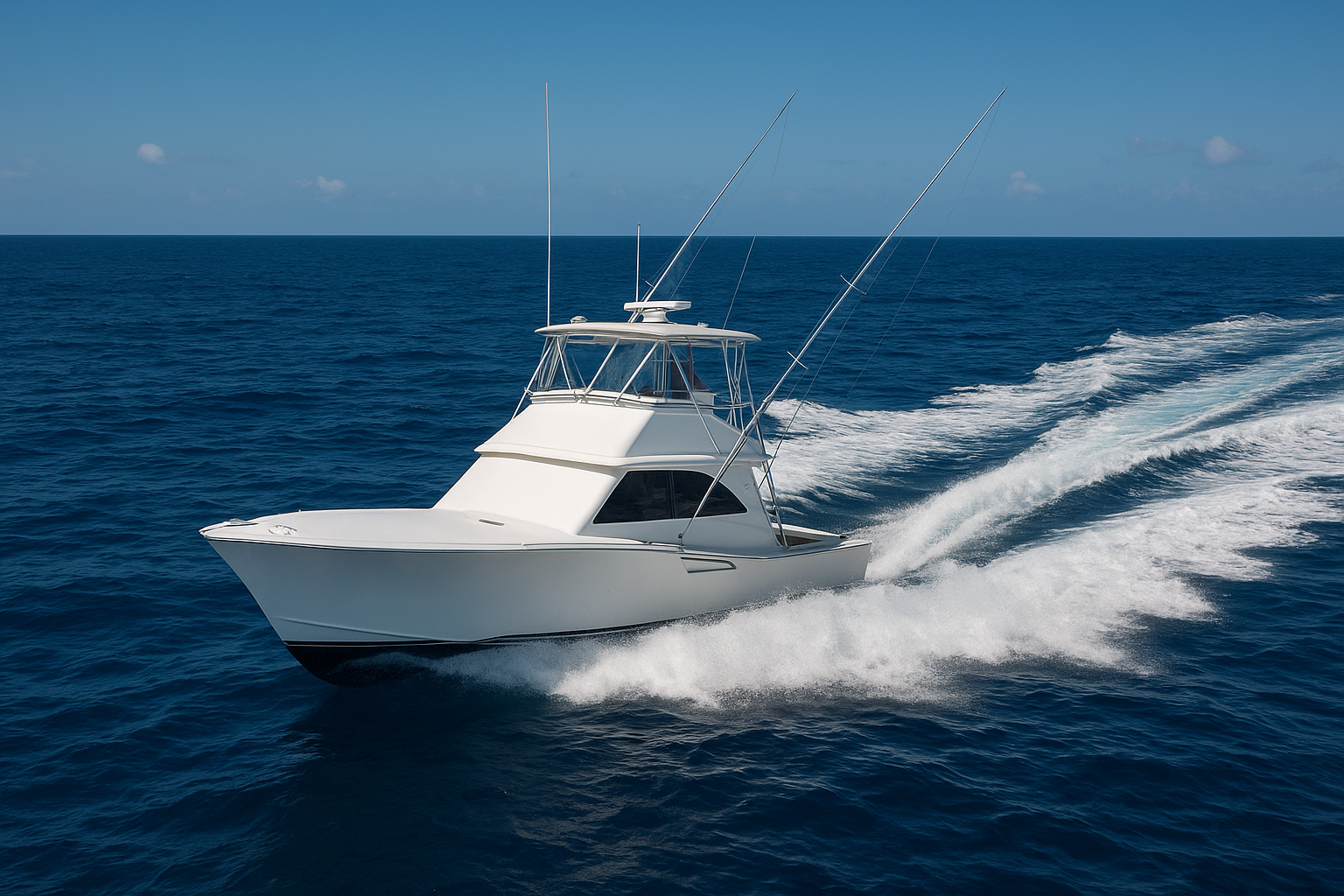
Gulf Stream trips push farther offshore than nearshore or inshore charters.
How to Choose the Right Local Fishing Charter
Use the following steps to narrow down which charter and trip type fit your group.
- Identify your group’s experience level and goals. Decide whether your group wants a relaxed inshore trip for beginners and kids or a more demanding offshore run targeting larger species.
- Check the captain’s license and experience. Confirm the charter uses a USCG-licensed captain familiar with local tides and waterways.
- Compare trip types and included gear. Ask whether rods, reels, bait, tackle, and required fishing licenses are included in the price.
- Confirm the departure location and schedule. Verify the exact marina or dock, trip length, and start time, since departure points can vary.
- Review weather and cancellation policies. Ask how the captain handles rough weather, rescheduling, and refunds before you pay a deposit.
Questions to Ask Before You Book a Trip
Above all, a short conversation before booking can prevent most disappointments on the dock. Consider asking:
- What is included in the price, and what should I bring myself?
- How many people can the boat safely accommodate?
- Is this trip appropriate for children or complete beginners?
- What happens if the weather turns bad on the scheduled day?
When to Book Fishing Charter Trips Near Myrtle Beach
Seasonal patterns affect both availability and fishing conditions. Warmer months typically bring more activity inshore, while certain offshore and Gulf Stream species move through at specific times of year according to general seasonal patterns tracked by NOAA Fisheries. As a result, booking a few weeks ahead during peak summer season is a reasonable practice, particularly for larger groups needing a specific boat size.
Specifically, the Grand Strand region spans roughly 60 miles of coastline from Little River down through Pawleys Island, so fishing conditions can vary noticeably between nearby departure points on the same day. For that reason, a local captain’s day-to-day read on tides and wind often matters more than the calendar alone.
Local Fishing Charters Serving the Grand Strand
Because conditions shift along the coast, many charter companies operate from more than one departure point. Low Country Fishing Charters serves residents and visitors throughout Myrtle Beach and the surrounding Grand Strand, including North Myrtle Beach, Little River, Murrells Inlet, Surfside Beach, Garden City, and Pawleys Island. Guests near the state line may also look at charter options based near Shallotte for a more convenient departure point.
Before comparing every company individually, it can help to review a shortlist of top-rated local charter captains in the Low Country. In addition, anglers should confirm current South Carolina fishing regulations through the South Carolina Department of Natural Resources, and captains should hold valid credentials through the U.S. Coast Guard licensing system.
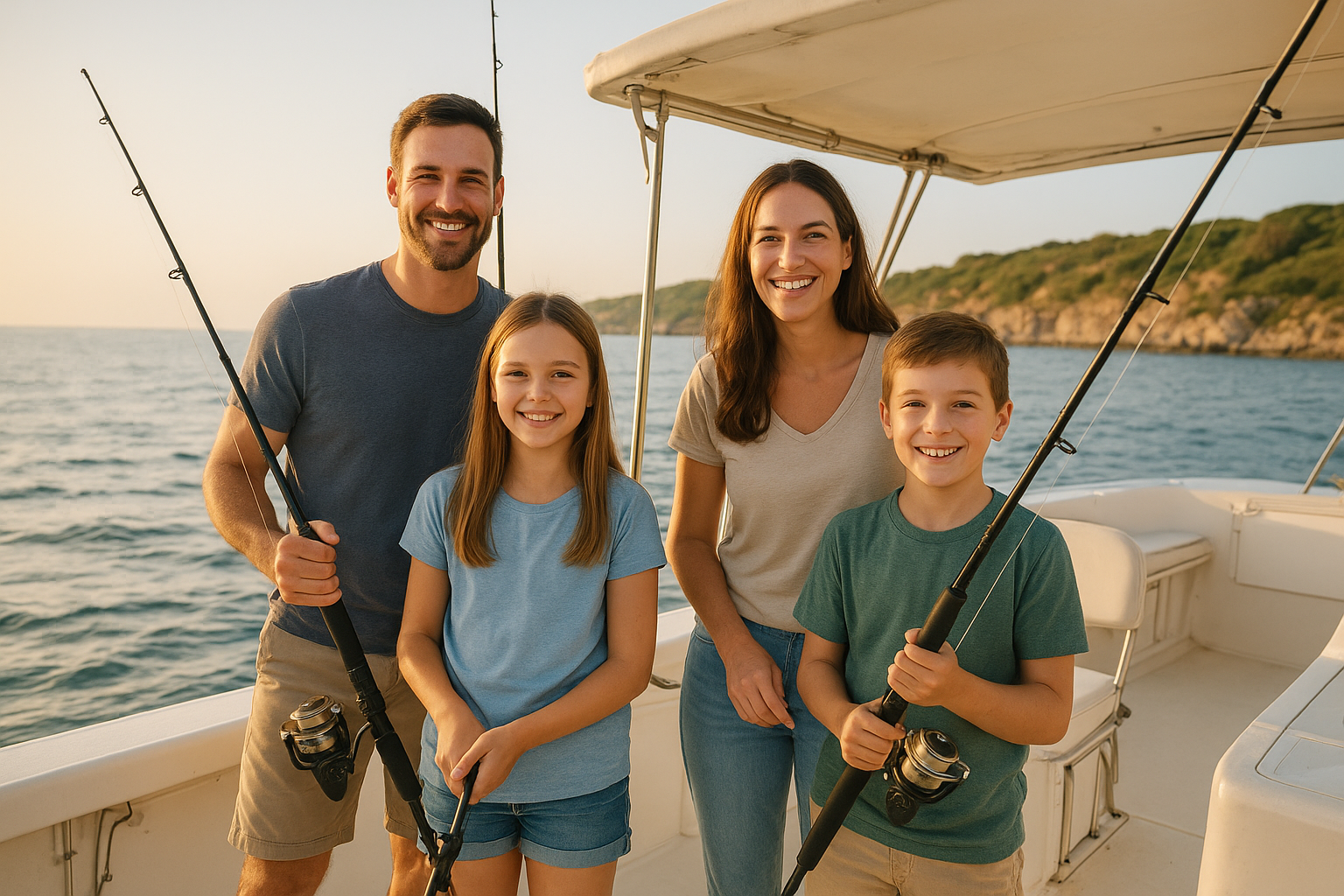
Family-friendly local fishing charters often focus on instruction over trophy catches.
Frequently Asked Questions About Local Fishing Charters
What are local fishing charters?
Local fishing charters are private boat trips led by a regional, USCG-licensed captain who knows the nearby waterways, tides, and seasonal fish patterns. The trip is reserved exclusively for your group rather than shared with strangers.
How much do local fishing charters cost near Myrtle Beach?
Pricing varies by trip type, boat size, trip length, and number of guests, since inshore trips and offshore or Gulf Stream trips require different fuel, time, and equipment. The most reliable way to get an accurate price is to check availability directly with the charter company.
How long does a typical charter fishing trip last?
Trip length depends on the type of fishing booked, with inshore and backwater trips often running shorter than offshore or Gulf Stream excursions. Many charters offer half-day and full-day options so guests can choose based on their schedule.
What is the difference between inshore and offshore fishing charters?
Inshore and backwater trips explore protected creeks, marshes, and brackish waterways close to shore, which suits beginners and families. Offshore and Gulf Stream trips travel farther into open ocean water, targeting different species and generally requiring more experience and time.
Do local fishing charters provide fishing licenses?
Many local fishing charters, including Low Country Fishing Charters, include required fishing licenses as part of the trip. It is still worth confirming this detail when you book, since policies can differ between companies.
What should beginners expect on a private fishing charter?
Beginners can expect practical, hands-on instruction from the captain on casting, baiting, and handling fish safely. A good charter captain adjusts the pace and location based on the group’s comfort level and experience.
What is the best time of year to book a fishing charter in Myrtle Beach?
Fishing patterns shift with the seasons, so warmer months often bring more species inshore while certain offshore fish move through at specific times of year. A local captain can advise on current conditions, but booking a few weeks ahead during peak season is generally recommended.
What common mistakes should I avoid when booking a charter?
Common mistakes include not confirming the departure location, assuming all gear is included without checking, and booking a trip type that does not match the group’s experience level. Asking direct questions before paying avoids most of these issues.
Can children join a local fishing charter trip?
Yes, many local fishing charters, including family-friendly inshore trips, are designed to welcome children and first-time anglers. Captains typically adjust instruction and expectations to keep younger guests engaged and safe.
What happens if the weather is bad on the day of my trip?
Licensed captains make the final call on whether conditions are safe to fish, and trips may be rescheduled if weather or sea conditions are not suitable. It is worth asking about the specific rescheduling or refund policy before booking.
Are local fishing charters private, or do they combine groups?
A true local fishing charter is private and reserved only for your booking party, unlike shared public head-boat trips that mix unrelated groups together. This distinction affects comfort, flexibility, and how the captain tailors the trip.
What is Gulf Stream fishing and how is it different from nearshore trips?
Gulf Stream fishing involves extended offshore trips to more distant fishing grounds, while nearshore fishing stays closer to coastal reefs and wrecks. Gulf Stream trips generally take longer and target different species than shorter nearshore outings.
How far in advance should I book a local fishing charter?
Booking a few weeks ahead is a reasonable practice, especially during busy summer months or for larger groups needing a specific boat. Flexible travelers may still find availability closer to their trip date.
What species can I expect to catch on a charter near the Grand Strand?
Species vary by trip type, season, tides, and conditions, so a captain cannot guarantee specific catches. Inshore trips often target different fish than nearshore, offshore, or shark fishing trips.
How do I choose between shark fishing and offshore fishing charters?
Shark fishing charters focus specifically on technique, equipment, and responsible handling for sharks, while offshore trips may target a broader range of species using bottom fishing or trolling. Discussing your group’s interest with the captain helps match you to the right trip.
In summary, local fishing charters work best when the captain’s knowledge, the trip type, and your group’s experience level all line up. Taking time to ask about included gear, departure location, and weather policy helps avoid surprises on the dock. Whether you are planning a relaxed inshore outing or an ambitious Gulf Stream run, checking availability directly with a regional operator like Low Country Fishing Charters or visiting lowcountryfishingcharters.com is the most reliable way to turn a good plan into a booked trip on the water.


