Deep sea fishing charters in Myrtle Beach offer full-day offshore fishing adventures targeting Snapper, Grouper, Sea Bass, and other Gulf Stream species. Trips typically include licensed captains, fishing gear, bait, and safety equipment, making them ideal for families, groups, and anglers searching for trusted fishing charters near me.
If you’re searching for deep sea fishing charters near me in Myrtle Beach, Low Country Fishing Charters offers private full-day offshore fishing trips with experienced captains, all gear included, and family-friendly options. These fishing tours target Gulf Stream species and are ideal for visitors and locals alike.


Experience top-rated deep sea fishing charters in Myrtle Beach with Low Country Fishing Charters. Our offshore fishing trips are designed for families, beginners, and serious anglers looking for a true Gulf Stream deep sea fishing experience. With experienced captains, private boats, and all gear included, we make deep sea fishing simple, safe, and unforgettable.
Whether you’re searching for fishing charters Myrtle Beach, fishing tours Myrtle Beach, or fishing charters near me, our full-day offshore trips deliver the depth, structure, and species that make Myrtle Beach one of the East Coast’s premier fishing destinations.
Our deep sea fishing charters are not only family-friendly but also budget-friendly, making it easy for everyone to enjoy a day on the open sea. Dive into the deep waters off Myrtle Beach and engage in capturing a diverse array of fish species. With us, you’re guaranteed to visit the prime fishing locations where the likes of Snapper, Grouper, Black Sea Bass, and many more await.
Starting at $1,350.00 for 1–6 people
7–15 people: $125.00 per person
Maximum Capacity: 1–15 people
Ages: All ages welcome
8-Hour Full-Day Deep Sea Fishing Charter
Morning Trip: 7:00 AM – 3:00 PM
Private Deep Sea Fishing Charter
(Your group only — no mixed parties)
Species availability varies by season and offshore conditions.
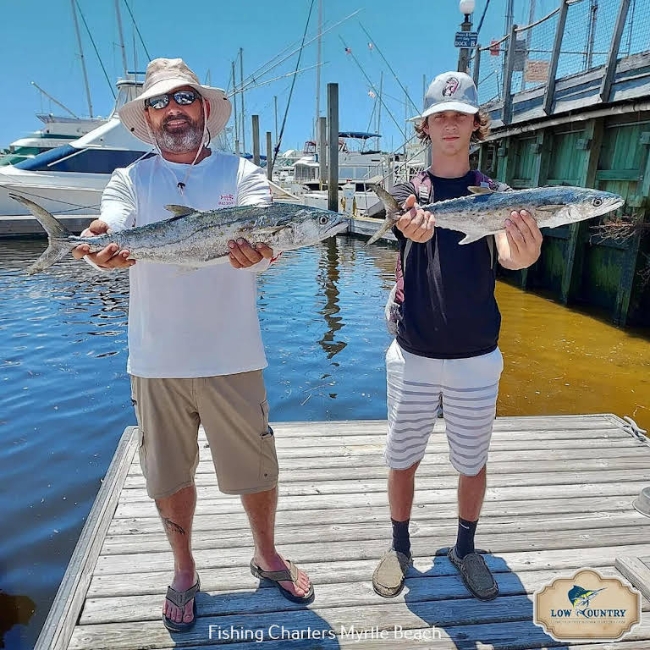
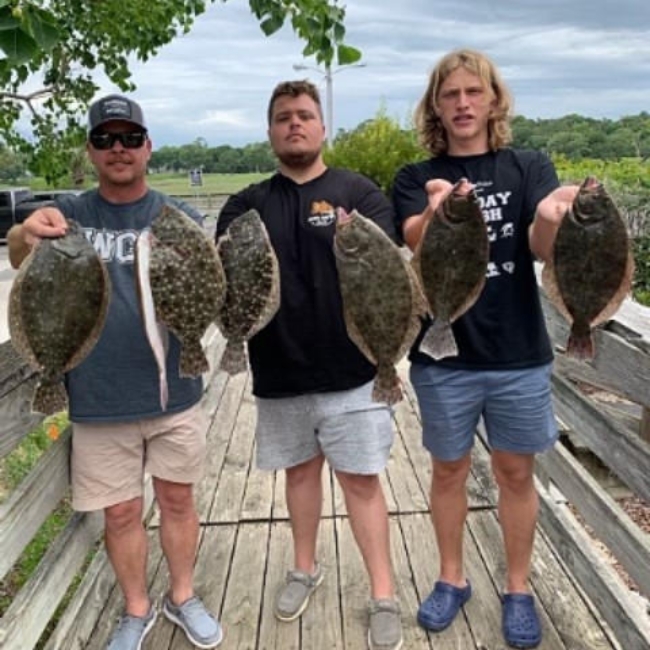
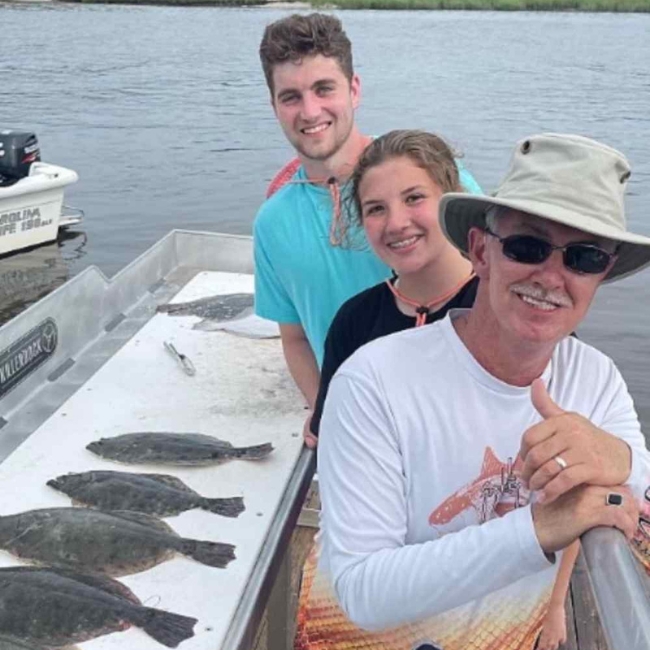
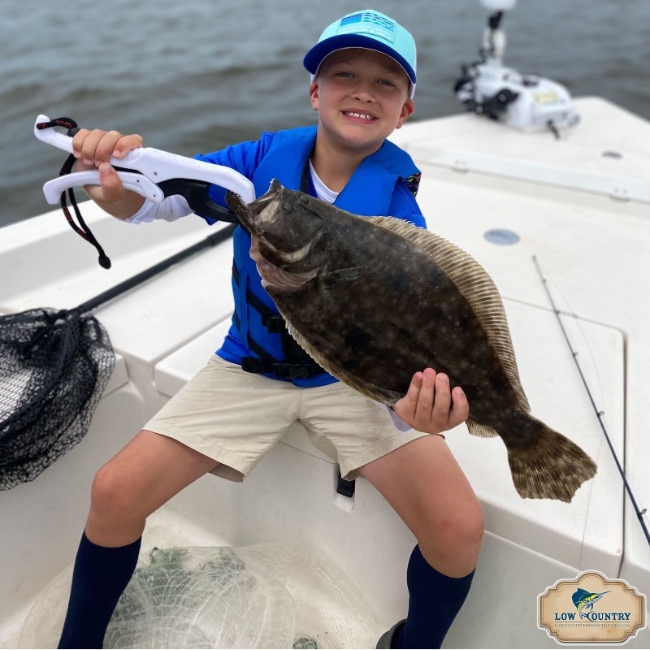
Trip Highlights:
Why Choose Our Offshore Fishing Charters?
Trolling Mastery: The Essence of Your Offshore Adventure
At the core of our offshore fishing trips lies trolling – a systematic approach using live or artificial bait to mimic smaller fish, luring in the big ones. Equipped with top-notch fishing gear, including rod holders, outriggers, and downriggers, our boats enhance your chances of landing prized catches like Amberjack, Cobia, King Mackerel, and more. This perfect blend of traditional techniques and precise tactics ensures an immersive and successful fishing experience. Get ready for an engaging day on the water with us!
Your Offshore Adventure Awaits!
Join us for an exceptional offshore fishing experience in Myrtle Beach. Book your Three-Quarter Day Offshore Fishing Charter now and let the thrill of the open sea captivate you!




Huge thanks to Captain David Cutler of Low Country Fishing Charters for an amazing Red Drum charter on my birthday. Professional, safe, and fun. Highly recommend for a fantastic fishing experience!
Passionate about fishing! Low Country Fishing Charters, led by Captain Boomer and Chris Regan, made our offshore trip unforgettable. From hand-feeding Cobia to sore arms, their contagious passion and professionalism demand repeat experiences.
Low Country Fishing Charter in South Carolina is exceptional! Captain David Cutler is a knowledgeable and fantastic fishing companion. Our deep-sea trip was thrilling. Highly recommend for an exciting water adventure!
Starting at $2,600.00 for 1–6 people
7–15 people: $150.00 per person
Maximum Capacity: 1–15 people
Ages: All ages welcome
12-Hour Gulf Stream Deep Sea Fishing Charter
Morning Trip: 6:00 AM – 6:00 PM
Private Deep Sea Fishing Charter
(Your group only — no mixed parties)
Species availability varies by season and offshore conditions.
All vessels are professionally maintained, inspected, and equipped for offshore fishing.
Low Country Fishing Charters is a locally operated fishing charter service serving Myrtle Beach and the surrounding coastal waters. Trips are led by licensed captains with extensive local experience who plan each charter around seasonal fish patterns, weather conditions, and offshore safety considerations.
Guided by Captain Keith Logan, the company focuses on private, family-friendly fishing charters using professionally maintained vessels equipped with required safety gear and quality fishing equipment. All trips include the appropriate fishing licenses and are designed to provide a reliable, well-managed experience for both first-time anglers and returning guests.
Myrtle Beach supports a wide range of fishing charter options, including deep sea, offshore, Gulf Stream, nearshore, and inshore fishing, depending on seasonal patterns and ocean conditions. Full-day deep sea fishing charters are commonly used to reach offshore structure and target larger species, while trip length and location are adjusted based on weather, safety, and species availability.
Most full-day deep sea fishing trips last about 8 hours.
Yes, private deep sea fishing charters are family-friendly and beginner-appropriate.
Yes, all rods, reels, tackle, bait, and licenses are included.
Late spring through early fall offers the most consistent offshore fishing.
The duration of our fishing trips may vary depending on the type of trip and package you choose. We offer half-day, full-day, and multi-day fishing charters in Myrtle Beach. The specific duration will be mentioned in the trip details when you make a reservation.
What NOT to Bring
Trips are operated by licensed captains using proper safety procedures. Weather and sea conditions are continuously monitored, and trips are adjusted for safety when needed.
Spring: Strong bottom fishing begins
Summer: Peak Gulf Stream season
Fall: Excellent fishing with fewer crowds
Winter: Limited offshore windows depending on weather
Our charters are family-friendly and suitable for children who can follow basic safety instructions. Life jackets are available, and crew members assist young anglers throughout the trip.
Deep sea fishing offers full-day offshore trips targeting larger species, while inshore fishing stays closer to shore with shorter trip times and calmer water.
Private deep sea fishing charters provide more space, flexibility, and personalized instruction compared to crowded head boat trips.
Our professional team ensures a safe and fruitful fishing journey.
Top-notch gear increases your catch chances.
Tailor your adventure to meet your fishing desires.
Enjoy the comfort and safety of our well-equipped vessels.
Experience premium deep sea fishing without the premium price.
Thrilling adventures, and unforgettable memories our clients have experienced with us. Join our satisfied customers and embark on your own remarkable fishing journey with us today!
Huge thanks to Captain David Cutler of Low Country Fishing Charters for an amazing Red Drum charter on my birthday. Professional, safe, and fun. Highly recommend for a fantastic fishing experience!
Passionate about fishing! Low Country Fishing Charters, led by Captain Boomer and Chris Regan, made our offshore trip unforgettable. From hand-feeding Cobia to sore arms, their contagious passion and professionalism demand repeat experiences.
Low Country Fishing Charter in South Carolina is exceptional! Captain David Cutler is a knowledgeable and fantastic fishing companion. Our deep-sea trip was thrilling. Highly recommend for an exciting water adventure!
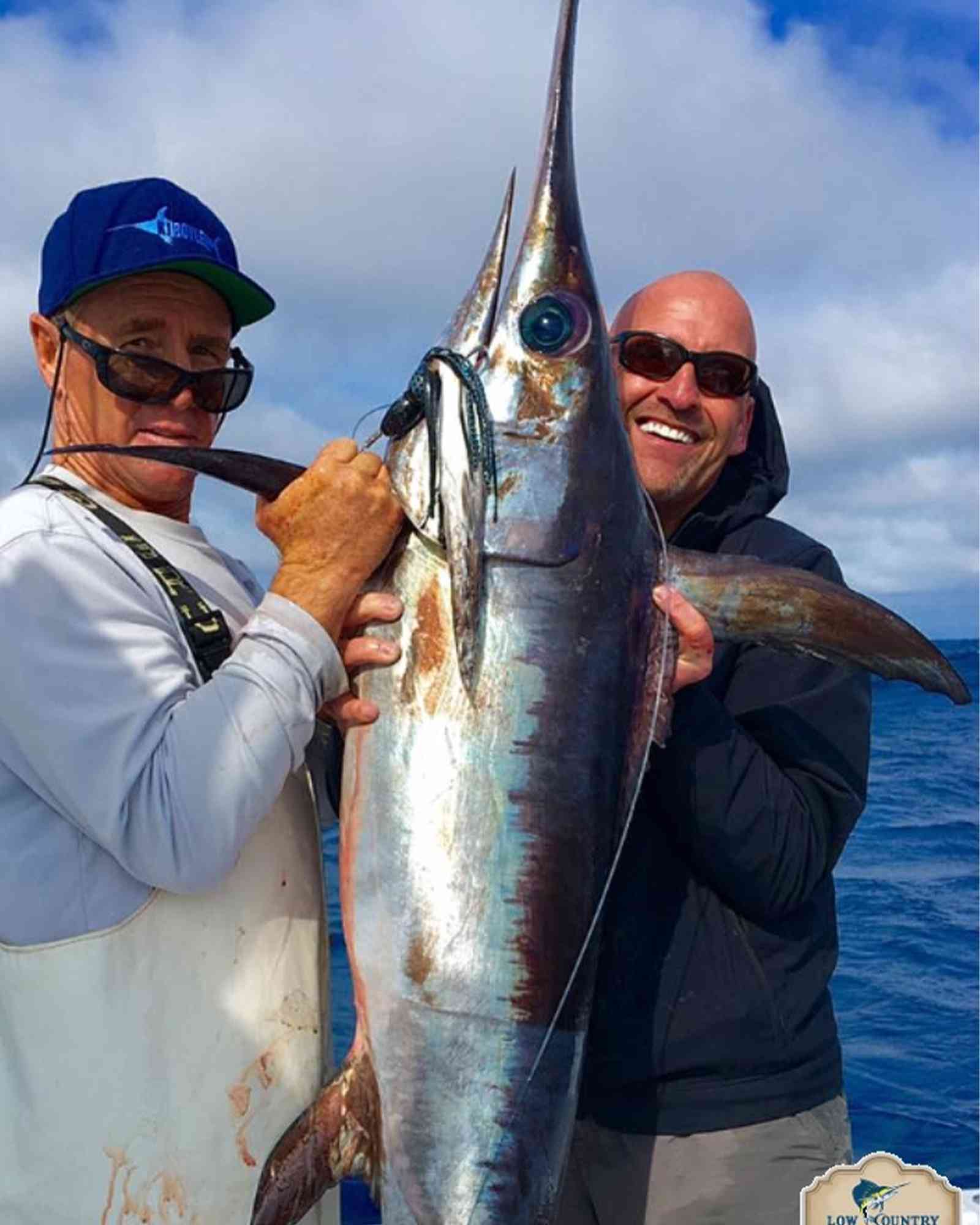
With decades of hands-on experience in inshore and deep sea fishing charters in Myrtle Beach, Captain Keith Logan and his team understand how local conditions, seasons, and water movement affect each trip. This experience allows charters to be matched to the day’s conditions rather than relying on a one-size-fits-all approach.
Low Country Fishing Charters is a popular choice for anglers looking for a private, family-friendly fishing experience. Trips are designed to be enjoyable for beginners while still offering the depth and offshore opportunity experienced anglers expect. Whether fishing with family or friends, guests can expect a relaxed pace, hands-on guidance, and a focus on making the most of time on the water.
Whether you’re a seasoned angler or a beginner, our expertise ensures that you’ll have an incredible fishing charter in Myrtle Beach.
Low Country Fishing Charters provides deep sea fishing charters in Myrtle Beach and serves anglers visiting or staying throughout the central Grand Strand. Offshore trips depart from the Myrtle Beach area and are commonly booked by guests from nearby coastal communities.
Myrtle Beach
North Myrtle Beach
Murrells Inlet
Surfside Beach
Garden City
Little River
Conway
Many guests also travel from surrounding parts of Horry County and the greater Grand Strand region to book full-day deep sea fishing charters and Gulf Stream offshore trips.
These deep sea fishing charters are frequently selected by visitors searching for “fishing charters near me” while staying along the Myrtle Beach coastline.
Low Country Fishing Charters is a locally operated fishing charter service offering deep sea fishing charters in Myrtle Beach, South Carolina. The company specializes in full-day offshore fishing trips, Gulf Stream deep sea fishing charters, and private fishing tours for families and groups. Trips are operated by licensed captains and include fishing gear, bait, safety equipment, and required fishing licenses.
Ready to book one of the top deep sea fishing charters in Myrtle Beach?
Book Your Charter Today
deep sea, myrtle beach fishing charters, angling, coast, shark, boat, grand strand, south carolina, mackerel, charter, king mackerel, red drum, black drum, trout, species, flounder, trolling, fishing reel, cobia, spanish mackerel, tarpon, recreational fishing, black sea bass, atlantic ocean, fishing license, tuna, bottom fishing, wahoo, grouper, pier, inlet, drum, redfish, sea trout, fishing vessel, charters, marsh, bass, marina, intracoastal waterway, fisherman, fly fishing, bluefish, shrimp, sailfish, shark tooth, pelagic fish, fishing fleet, river, continental shelf, waterway, amberjack, fishing charters myrtle beach, gulf stream, vacation, north carolina, catch and release, triggerfish, dock, deep sea fishing myrtle beach, ocean, stream
deep sea fishing myrtle beach, fishing charters myrtle beach, myrtle beach fishing charters, myrtle beach deep sea fishing, deep sea fishing in myrtle beach, myrtle beach deep sea fishing charters, deep sea fishing charters myrtle beach, fishing guide myrtle beach, myrtle beach fishing guide, myrtle beach inshore fishing charters, deep sea fishing myrtle beach sc, private fishing charters myrtle beach, inshore fishing charters in myrtle beach, deep sea fishing charter myrtle beach, deep sea fishing myrtle beach prices
Offshore fishing requires specific techniques to maximize your chances of a successful catch. One of the most effective methods is trolling, where baited lines are pulled behind a moving boat to attract larger fish. This method not only covers a larger area but also mimics the natural movement of prey, enticing species like Mahi Mahi and King Mackerel.
In addition to trolling, anglers can utilize bottom fishing, which involves dropping bait to the ocean floor to target species like Snapper and Grouper. Understanding the behavior of different fish species and adapting your technique accordingly can significantly enhance your fishing experience and success rate.
Your safety is our top priority during deep sea fishing charters. Our boats are equipped with essential safety gear, including life jackets, first aid kits, and communication devices to ensure a secure fishing experience. Our experienced crew is trained in safety protocols and emergency procedures, providing peace of mind while you enjoy your adventure.
We also recommend that all guests familiarize themselves with the safety procedures before departure. This includes understanding how to use safety equipment and being aware of the boat's layout. By prioritizing safety, we aim to create a fun and worry-free environment for families and friends on the water.
When you book a fishing charter with Low Country Fishing Charters, you can expect a well-organized and enjoyable experience tailored to your needs. From the moment you step on board, our friendly crew will guide you through the day's agenda, ensuring you feel comfortable and prepared for your fishing adventure.
Throughout the trip, you'll have the opportunity to learn from our experienced crew, who will share tips and techniques to enhance your fishing skills. Whether you're a novice or an experienced angler, our team is dedicated to making your fishing trip memorable, providing insights into local fishing spots and techniques that can help you reel in the big catch.
Customer testimonials are a testament to the quality of service provided by Low Country Fishing Charters. Many guests have shared their unforgettable experiences, highlighting the professionalism of our crew and the thrill of catching various fish species. These stories not only reflect the excitement of deep sea fishing but also the family-friendly atmosphere we strive to create.
We encourage potential customers to read through our testimonials to gain insights into the experiences of fellow anglers. Hearing about successful trips and memorable moments can help you feel more confident in choosing us for your next fishing adventure in Myrtle Beach.