Myrtle Beach Fishing Charters: A Regional Fishing Overview
Myrtle Beach is one of the most visited coastal destinations in the Southeast. Myrtle Beach fishing charters operating here are shaped by tourism-driven demand, seasonal weather patterns, and a wide range of angler experience levels. Unlike remote commercial ports, Myrtle Beach charters must adapt trips to short vacations, family schedules, and changing coastal conditions.
Fishing opportunities along this stretch of the South Carolina coast are real and productive, but they are not uniform year-round. Success depends on understanding how tides, water temperature, wind, and structure interact across inshore waters, nearshore reefs, and offshore grounds throughout the broader Myrtle Beach fishing service areas.
This page explains how fishing charters in the Myrtle Beach region typically operate, what anglers can reasonably expect, and how trip styles differ depending on time, distance, and conditions.
Fishing Environments Along the Myrtle Beach Coast
The Myrtle Beach region sits between shallow estuaries and the open Atlantic, creating multiple fishing environments within a relatively compact geographic area. Each environment supports different species and techniques, which is why many visitors compare fishing charters in Myrtle Beach before selecting a trip.
Inshore Waters
Inshore fishing occurs in tidal creeks, marshes, estuaries, and protected waterways. These areas are influenced heavily by tides and seasonal water temperature changes. Species availability shifts throughout the year, making timing and tide planning critical. These trips are commonly associated with inshore fishing in Myrtle Beach and are often favored by beginners and families.
Nearshore Waters
Nearshore fishing typically takes place along artificial reefs, hard bottom, and natural ledges within a short run from the beach. These trips are often weather-dependent but can provide consistent action during favorable conditions. Visitors frequently choose nearshore fishing in Myrtle Beach when they want open-water fishing without long offshore travel.
Offshore Waters
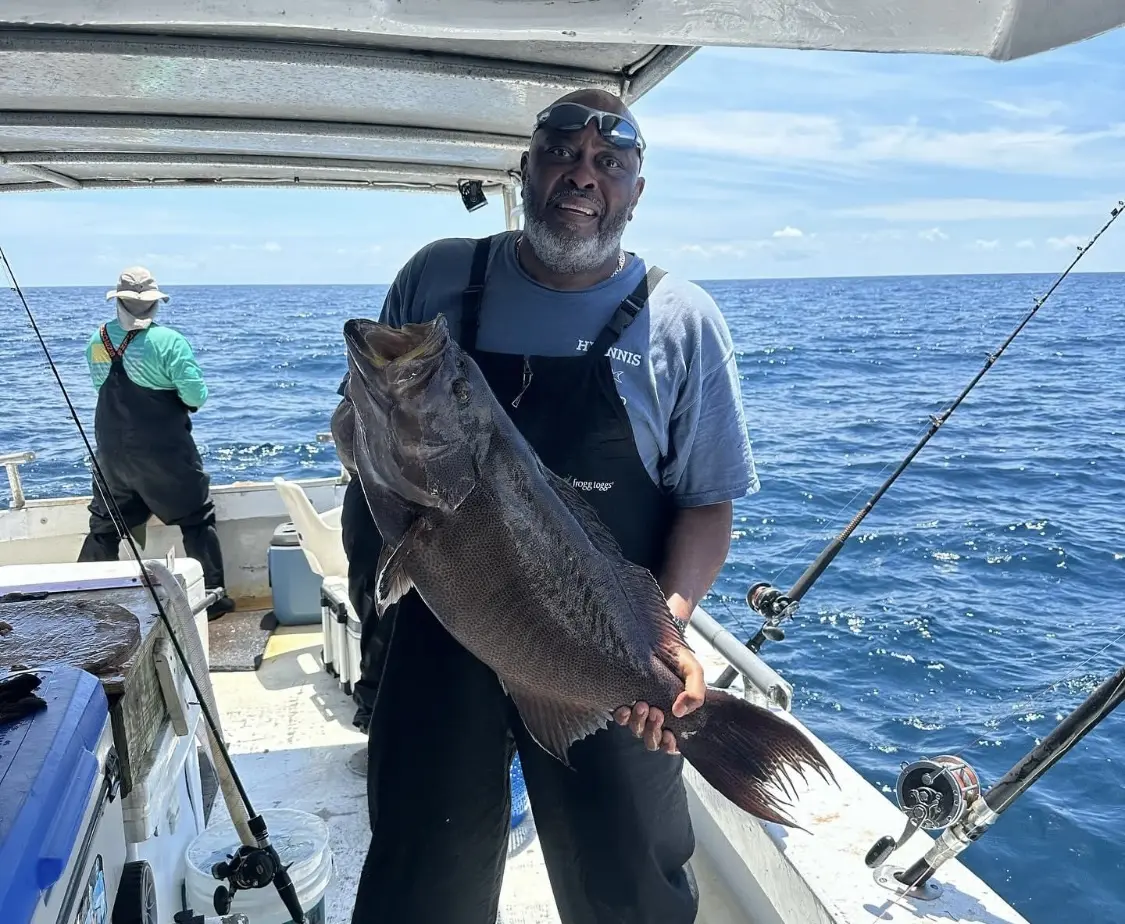
Offshore fishing requires longer travel times and more stable weather windows. These trips target deeper water species and often involve more physical effort and longer days on the water. Many anglers researching deep sea fishing in Myrtle Beach are comparing offshore options based on distance and seasonal conditions.
Gulf Stream
How Seasons Shape Fishing Opportunities
Fishing in the Myrtle Beach area follows clear seasonal patterns rather than fixed calendars. Understanding these shifts helps set realistic expectations, especially for travelers researching whether Myrtle Beach is good for fishing during their vacation window.
Spring
Spring brings warming water temperatures and increased activity in inshore and nearshore waters. This is often a transitional period where species begin moving into predictable feeding patterns.
Summer
Summer typically offers calmer seas and the widest range of trip options. Family-friendly outings, reef fishing, and bottom fishing are common when weather allows, making this season popular for family fishing charters in Myrtle Beach.
Fall
Fall is known for consistent action and fewer crowds. Cooling water temperatures often concentrate fish, making this a productive season for anglers comparing nearshore fishing charters in Myrtle Beach versus offshore options.
Winter

Winter fishing is more selective and highly dependent on weather and tides. Certain inshore opportunities remain viable, but trip planning becomes more conservative and condition-driven.
The Role of Tides, Weather, and Structure
Fishing success along the Grand Strand is rarely about luck. It is driven by environmental factors that experienced operators monitor closely.
Tides influence fish movement in inshore waters and are a key factor in inshore fishing charters in Myrtle Beach
Wind direction and speed affect sea conditions and access to offshore grounds
Water temperature determines species presence and feeding behavior
Structure such as reefs, drop-offs, and marsh edges concentrates fish
Charters adjust departure times, locations, and techniques based on these variables rather than rigid schedules.
Comparing Charter Types by Time and Distance
Not all fishing charters offer the same experience. Differences are largely based on how far boats travel and how much time is spent fishing versus traveling.
Half-Day Inshore Trips
Shorter trips focused on protected waters. These are often chosen by families or visitors with limited time and are commonly associated with backwater fishing charters in Myrtle Beach.
Nearshore Trips

Moderate travel distances with exposure to open water. These trips balance comfort and opportunity when conditions cooperate and are often compared to offshore fishing charters in Myrtle Beach for effort level.
Full-Day Offshore Trips
Longer runs and more physically demanding fishing. These trips are best for anglers prepared for extended time on the water and are sometimes compared with Gulf Stream fishing charters in Myrtle Beach depending on season and sea state.
Who Each Trip Style Is Best Suited For
Choosing the right charter depends more on goals and comfort level than on fish size.
Inshore trips suit beginners, families, and mixed-skill groups
Nearshore trips work well for anglers seeking variety without committing to long offshore runs
Offshore trips are better for experienced anglers comfortable with longer days and changing sea conditions
Clear communication before booking helps match expectations with conditions.
Operational Standards, Licensing, and Safety
Reputable charters in Myrtle Beach operate under strict regulatory and safety requirements. Boats are captained by licensed professionals who follow federal and state guidelines.
Low Country Fishing Charters operates throughout the Myrtle Beach region with an emphasis on regional adaptability rather than fixed-trip templates. Trips are planned based on current conditions, seasonal patterns, and guest needs, not scripted outcomes.
Safety briefings, required fishing licenses, and appropriate equipment are standard components of professionally operated trips, which are further explained on the Why Trust Low Country Fishing Charters page.
Planning a Myrtle Beach Fishing Charter
A well-run charter should clearly explain:
What species are realistic during your visit
How weather may alter plans
The difference between trip length and active fishing time
Safety expectations and onboard procedures
For broader context on regional conditions, seasonal movement, and trip planning, readers may also explore Myrtle Beach fishing tips and Myrtle Beach fishing reports.
FAQs
What types of fishing charters are available in Myrtle Beach?
Fishing charters in Myrtle Beach generally include inshore, nearshore, and offshore trips, with half-day and full-day options depending on conditions. Visitors comparing options often review fishing charters in Myrtle Beach to understand how trip styles differ by distance, effort, and seasonal availability.
Do Myrtle Beach fishing charters include fishing licenses?
Yes. Properly licensed fishing charters include all required state and federal fishing licenses for passengers. This applies across trips departing from Myrtle Beach as well as nearby areas such as North Myrtle Beach fishing charters and Little River fishing charters.
Is Myrtle Beach fishing suitable for beginners?
Yes. Many trips are designed for beginners, families, and mixed-skill groups, particularly those focused on protected waters. Inshore and backwater trips departing near Surfside Beach fishing charters and Garden City fishing charters are commonly selected by first-time anglers.
How does weather affect fishing trips in Myrtle Beach?
Weather directly affects sea conditions, trip locations, and species access. Wind direction, wave height, and storms may shift trips toward protected waters or alter departure timing. These adjustments are common across the Grand Strand, including departures near Murrells Inlet fishing charters and Pawleys Island fishing charters.
What is the best season for fishing in Myrtle Beach?
Fishing is available year-round, but species behavior and trip types change with the seasons. Summer often supports a wider range of trip styles, while spring and fall are influenced by transitional movement. Seasonal conditions apply consistently across Horry County fishing charters and other nearby coastal communities.
How far do offshore fishing trips travel?
Offshore trips typically require longer runs and depend heavily on stable weather conditions. Some trips focus on near-offshore bottom fishing, while others may extend farther when conditions allow. Anglers often compare offshore options with deep sea fishing charters in Myrtle Beach or Gulf Stream fishing charters based on time and sea state.
Are Myrtle Beach fishing charters available outside the city?
Yes. Fishing activity in this region is not limited to city boundaries. Many trips operate throughout nearby coastal communities including Cherry Grove fishing charters, Calabash fishing charters, and Sunset Beach fishing charters, all of which share similar seasonal patterns.
Where can I learn more before booking a trip?
Before scheduling, many visitors review regional guidance such as Myrtle Beach fishing guides, family and beginner fishing guides, and recent Myrtle Beach fishing reports to better understand conditions and trip expectations.
Fishing charters in Myrtle Beach provide access to diverse coastal waters, but the experience varies by season, weather, and trip type. Understanding how these factors interact allows visitors to choose trips that align with their expectations and comfort level.
Those ready to move from research to scheduling can review availability and logistics on the Book Your Myrtle Beach Fishing Charter page.