
Marine Life & Ecosystems of Myrtle Beach, SC: Your Complete Guide to Coastal Wildlife and Habitats
Myrtle Beach, South Carolina, sits on the Grand Strand and supports a wide variety of coastal life. This guide walks you through the animals and habitats that make these waters special, explains their roles in the local ecosystem, and shows how to enjoy them responsibly—especially if you plan to join a fishing charter. Whether you’re here to fish, watch wildlife, or just learn more about the shore, a little background on local marine life makes every outing richer and more meaningful. We’ll cover common species, key habitats, and simple, sustainable practices for experiencing them.
What Marine Animals Can You Encounter in Myrtle Beach?
The waters around Myrtle Beach support a healthy mix of creatures, from small invertebrates to large game fish and marine mammals. Spotting different species depends on where you go—nearshore flats, tidal creeks, or deeper offshore water—but each trip can reveal something new. Knowing what to expect helps you appreciate the place and the life it sustains.
Which Fish Species Are Common in SC Coastal Waters?
Along South Carolina’s coast you’ll commonly find red drum (redfish), flounder, and spotted seatrout (often called sea trout). Anglers prize these species for sport and taste, and ecologically they’re important links in the food web. Red drum are often in shallow bays and inlets, flounder sit tight on sandy bottoms using their camouflage, and spotted seatrout frequent surf zones and estuaries where they feed and breed.
What Offshore Game Fish Thrive in Myrtle Beach?
Head offshore and you can target powerful game fish like mahi-mahi, tuna, and billfish such as white and blue marlin. These species draw anglers for their strength and size—mahi-mahi often patrols around floating debris, tuna roam deeper blue water, and marlin are famed for their acrobatic runs. Learning their habits helps you choose the right gear and increases your chances of a successful trip.
How Do Iconic Marine Animals Shape the Grand Strand Ecosystem?
Big, familiar animals—dolphins and sea turtles among them—do more than delight visitors. Their feeding, breeding, and migratory behaviors influence prey populations, nutrient flows, and even how people use the coast. Protecting these species and their habitats helps keep the whole system resilient.
What Are the Behaviors and Habitats of Dolphins in Myrtle Beach?

Bottlenose dolphins are a common sight around Myrtle Beach. They travel in social groups called pods, hunt cooperatively, and often display playful behavior near boats. Dolphins favor shallow coastal areas and estuaries where fish and invertebrates are abundant. Their regular presence is a good indicator of productive, relatively healthy waters.
If you’re curious about how dolphins find and catch prey, there’s substantial research on how they adapt foraging strategies to different habitats and social settings.
Bottlenose Dolphin Habitats & Foraging Behaviors
Common bottlenose dolphins (Tursiops truncatus) occupy a wide range of habitats—marsh creeks, estuaries, bays, open coasts, islands, shelves, and even deep ocean. Their foraging behavior reflects this variety: dolphins feed on many types of prey, mainly fish and squid, and often take prey in a single bite. Differences in habitat and social structure drive the diverse feeding strategies observed across dolphin populations.
Common bottlenose dolphin foraging: behavioral solutions that incorporate habitat features and social associates, 2019
Be sure to check out Discover the Best Time for Dolphin Tours in Myrtle Beach
When Is Sea Turtle Nesting Season and How Is Conservation Managed?
Sea turtle nesting runs from May through October, with most activity between June and August. Female turtles come ashore to lay eggs, and these events are protected by local conservation groups and volunteers. Protecting nests, limiting beachfront lights, and giving nesting turtles space are key measures to improve hatchling survival. Local organizations also track nest counts and run public education campaigns to reduce human disturbances.
What Are the Key Coastal Ecosystems of Myrtle Beach and Their Importance?
The Grand Strand includes estuaries, salt marshes, seagrass beds, and nearshore reefs—each providing essential services like nursery habitat, water filtration, and shoreline stabilization. Together they support the region’s fisheries and wildlife while protecting coastal communities.
How Do Estuaries and Salt Marshes Support Marine Biodiversity?
Estuaries and salt marshes act as nurseries where juvenile fish and invertebrates can grow with reduced predation. These areas are nutrient-rich and support diverse plant and animal communities. The food webs that form here feed larger fish, birds, and mammals, making these habitats foundational to the broader marine environment.
Scientific studies consistently emphasize the important services marshes and wetlands provide to coastal economies and communities.
Coastal Marshes: Ecosystem Services & Nursery Habitats
Coastal marshes and wetlands deliver critical ecosystem services—flood and storm protection, water filtration, and nursery habitat for many species. Healthy marshes support fisheries and help buffer human development from storm impacts. However, growing coastal tourism and development can stress these systems, making their conservation a priority.
Valuing Ecosystem Services of Coastal Marshes and Wetlands
What Are the Characteristics of Nearshore and Offshore Habitats?
Nearshore zones are shallow and often host seagrass beds, oyster reefs, and rich feeding grounds for juvenile fish and invertebrates. Offshore areas are deeper and support larger pelagic species and gamefish. Each habitat plays a different role—nearshore areas nurture young life, offshore waters sustain adults and migratory species—so protecting a range of habitats is vital for overall ecosystem health.
How Can You Experience Marine Life Through Myrtle Beach Fishing Charters?
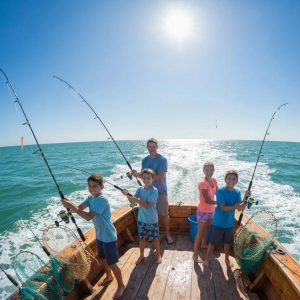
Our fishing charters in Myrtle Beach let you experience coastal wildlife up close while enjoying a day on the water. Trips range from family-friendly inshore outings to targeted offshore excursions and educational eco-tours that highlight local habitats and species.
Which Charters Are Best for Dolphin Watching and Eco-Tours?
Some charters focus specifically on dolphin-watching and eco-tours, led by captains who know the local waters and wildlife. These outings blend sightseeing with interpretation—captains point out species, explain behaviors, and share tips on respecting wildlife. They’re a great choice for families and anyone who wants a safe, informative wildlife experience.
How Do Sustainable Fishing Practices Protect Myrtle Beach Ecosystems?
Sustainable practices—catch-and-release when appropriate, following size and bag limits, and respecting seasonal closures—help keep fish populations healthy. Many local charters follow these guidelines and teach anglers best practices to minimize harm. Responsible fishing today keeps both the fishery and local fishing traditions alive for tomorrow.
What Should You Know About Sharks and Other Unique Marine Species in Myrtle Beach?
Sharks and a variety of other unique species call these waters home. Knowing their roles and typical behavior helps reduce fear and supports conservation—sharks, for example, are important predators that help maintain balanced marine communities.
Which Shark Species Are Found in Myrtle Beach Waters?

Common sharks in the area include blacktip sharks, sandbar sharks, and occasionally scalloped hammerheads. Sightings increase in summer, but these species rarely pose a threat to people. As top predators, sharks keep fish populations in balance and contribute to a healthy, diverse ecosystem.
What Unique Marine Invertebrates and Coastal Wildlife Are Present?
Myrtle Beach’s shores and shallows host jellyfish, sea urchins, starfish, and many other invertebrates. These animals add to the region’s biological diversity and can act as early-warning signs of environmental change. Observing them—carefully and without disturbing their habitat—adds another layer to understanding how coastal systems function.
Across habitats, a wide variety of marine life contributes to the resilience and productivity of the Grand Strand.
| Ecosystem Type | Key Features | Importance |
|---|---|---|
| Estuaries | Mix of fresh and salt water, nutrient-rich, sheltered waters | Serve as nurseries and biodiversity hotspots |
| Salt Marshes | Grassy tidal wetlands with strong tidal influence | Filter water, provide habitat, and protect shorelines |
| Seagrass Beds | Underwater meadows of seagrass | Support juvenile fish and stabilize sediments |
This table highlights the main coastal habitats around Myrtle Beach and the roles they play in supporting marine life. Preserving these areas keeps the local environment productive and enjoyable for future generations.
Frequently Asked Questions
What are the best times for fishing in Myrtle Beach?
Best times depend on the species and season. Inshore fishing is often best in spring and fall when many species are more active. Summer opens up more offshore opportunities for big game like tuna and marlin. Early morning and late afternoon are usually productive daily windows. For current conditions, check local fishing reports or ask your charter captain.
How can I participate in marine conservation efforts in Myrtle Beach?
Volunteer with local conservation groups, join beach clean-ups, and support sea turtle monitoring programs. Follow responsible wildlife-viewing and fishing practices, and choose eco-conscious tours. Even small actions—reducing plastic use, picking up litter, and spreading awareness—make a positive difference.
What should I do if I encounter a stranded marine animal?
If you find a stranded animal, keep your distance and do not try to move it. Contact local wildlife authorities or a marine rescue organization immediately. Give precise details about the location and condition so trained responders can act quickly. Well-intentioned handling can sometimes cause more harm, so leave rescue to professionals.
Are there any regulations for fishing in Myrtle Beach?
Yes. Anglers must carry a valid South Carolina fishing license and follow state rules for size, bag limits, and seasonal closures. Regulations vary by species and location, so check updated state guidelines before you fish to avoid fines and help protect local populations.
What types of educational programs are available for learning about marine life?
Local aquariums, nature centers, and conservation groups offer workshops, guided walks, and interactive exhibits about marine biology and coastal ecosystems. Many charters also run eco-tours that combine hands-on learning with wildlife viewing. These programs are a great way to deepen your understanding of the area’s natural resources.
How can I safely observe marine wildlife while visiting Myrtle Beach?
Keep a respectful distance, don’t feed wild animals, and follow your guide’s instructions. Choose reputable operators that follow eco-friendly guidelines, avoid bright lights near nesting beaches, and never disturb nests or haul-out sites. Simple respect and common-sense precautions go a long way toward protecting wildlife.
Learning about Myrtle Beach’s marine life and habitats adds depth to every beach day and charter trip. By observing responsibly and supporting conservation-minded practices, we all help protect the places and species that make the Grand Strand special. Explore our charters and eco-tours to see the local marine world firsthand—and join us in keeping these waters healthy for generations ahead.