An offshore fishing charter takes anglers beyond the shoreline and into deeper ocean waters where bigger, more varied species live. For visitors and residents around Myrtle Beach, this type of trip is often the difference between a relaxing afternoon on a creek and a full day chasing mahi-mahi or grouper over a wreck several miles out. Before booking, however, it helps to understand what these trips actually involve, who they suit, and how they differ from nearshore or deep sea options.
This guide breaks down what to expect from a private offshore charter, what gear and licensing are typically included, and how captains plan trips around South Carolina’s coastal conditions. Along the way, we’ll also point out where offshore fishing overlaps with deep sea trips and where it clearly does not.
Quick answer: An offshore fishing charter is a private boat trip that travels past nearshore waters to fish reefs, wrecks, and deeper ocean structure, typically lasting 6 to 10 hours depending on distance and target species. Gear, bait, and required licenses are usually included with the booking.
What Is an Offshore Fishing Charter?
An offshore fishing charter is a private trip that leaves the coast behind to fish deeper, more open ocean water. Unlike inshore trips that stay within creeks and marshes, offshore charters head toward reefs, wrecks, and underwater structure where larger pelagic species tend to feed.
Because conditions change with the season, captains plan each trip around tides, water temperature, and weather forecasts. As a result, no two offshore outings follow the exact same route, even when the target species stays consistent week to week.
Offshore Fishing Charter vs. Nearshore and Deep Sea Trips
Many first-time guests ask how an offshore trip differs from nearshore or deep sea fishing, and the honest answer is that the categories often overlap. Nearshore fishing stays relatively close to the coast, targeting visible structure like artificial reefs. In contrast, offshore trips travel farther, while deep sea fishing can emphasize bottom fishing in deeper water using similar routes.
Specifically, the itinerary for any given day depends on the booked trip, the captain’s read of conditions, and what species are actively feeding. For a detailed side-by-side comparison, this guide to deep sea versus offshore charters breaks down the distinctions further.
What’s Included on a Private Offshore Charter
Every private charter booked through a licensed operator typically includes rods, reels, bait, tackle, and required fishing licenses. Consequently, guests rarely need to bring their own equipment unless they prefer to use personal gear.
In addition, USCG-licensed captains handle navigation, safety, and species-specific techniques such as trolling or bottom fishing. This hands-on guidance makes offshore trips approachable even for guests without deep sea experience.
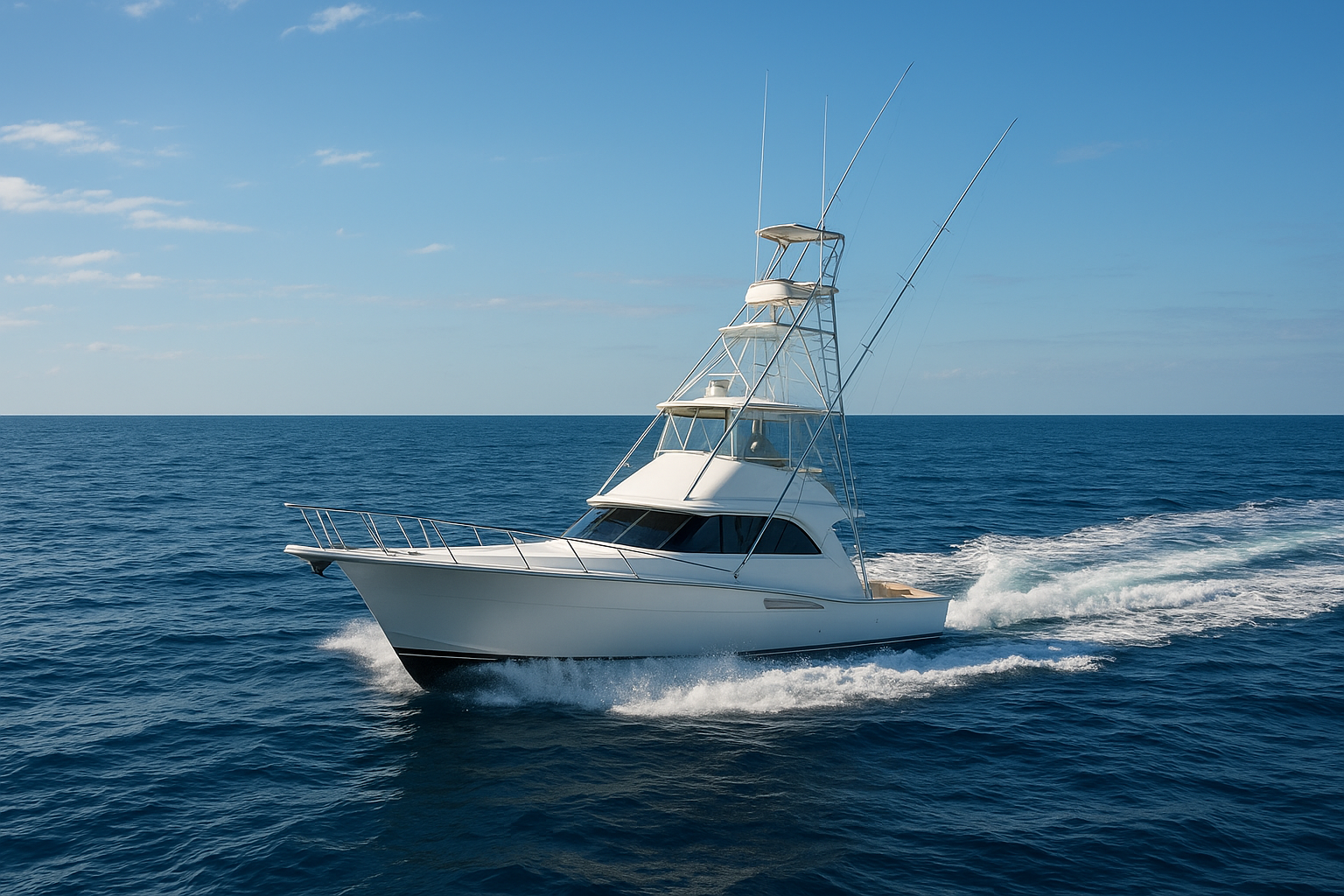
A private offshore fishing charter heading toward deeper water off the South Carolina coast.
Where Offshore Charters Depart Near Myrtle Beach
Departure points vary depending on the boat and trip type booked, with options spread across the Grand Strand. Guests traveling from Little River, Murrells Inlet, Surfside Beach, or Pawleys Island should confirm their assigned departure location when booking, since not every trip launches from the same marina.
For a full look at coverage across the region, the service area overview lists communities served throughout North Myrtle Beach and the surrounding coastline.
Target Species on an Offshore Fishing Trip
Species availability shifts throughout the year, but offshore waters near Myrtle Beach can hold mahi-mahi, king mackerel, grouper, and several snapper varieties depending on season and water temperature. According to NOAA Fisheries, seasonal migration patterns strongly influence when and where these species concentrate along the Atlantic coast, which is part of why captains adjust routes trip by trip.
Because catches are never guaranteed, captains prioritize putting guests on water that gives the best realistic chance for action that day, rather than chasing a single species regardless of conditions.
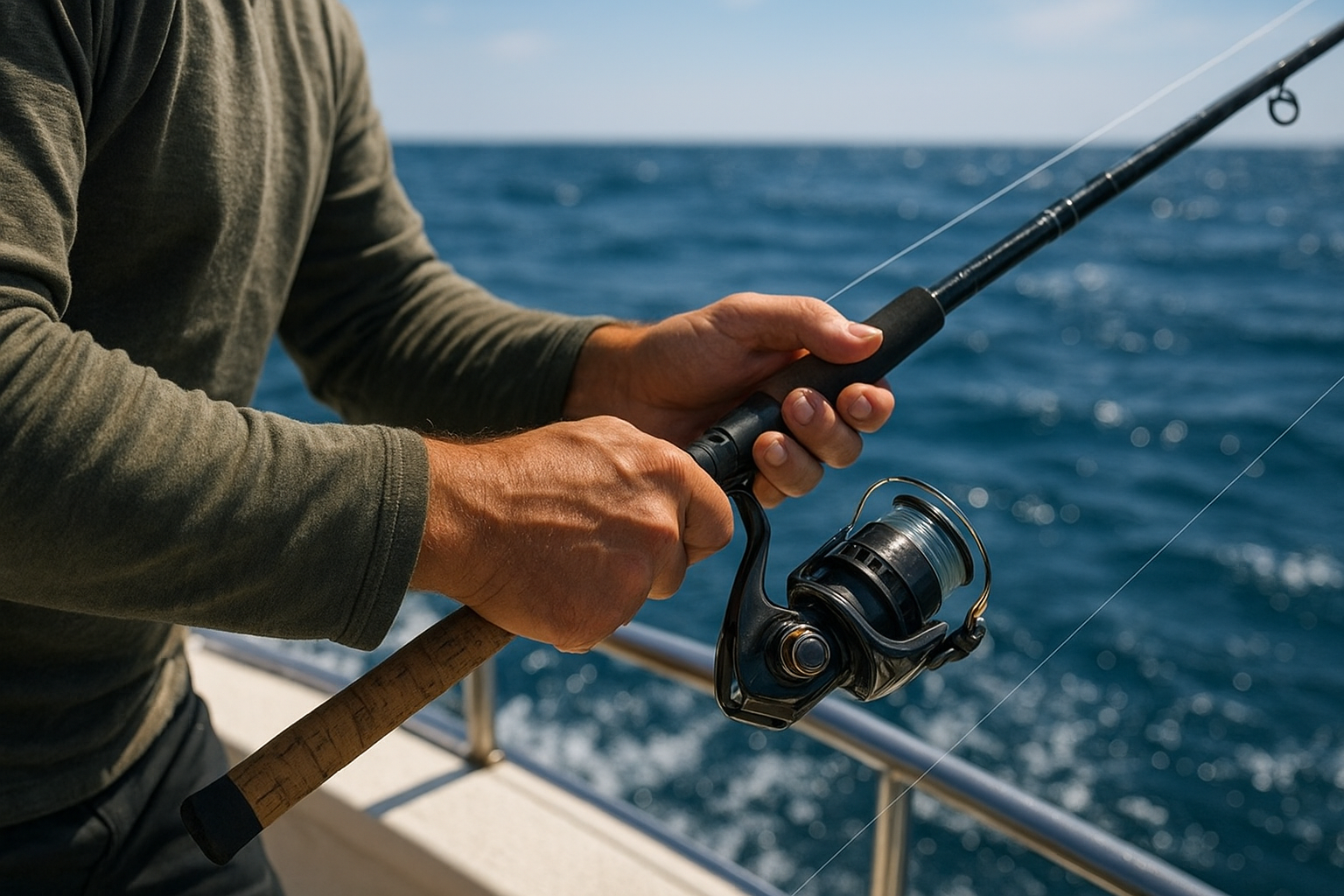
Hands-on instruction is part of every offshore fishing charter, even for first-time anglers.
How to Plan and Book an Offshore Fishing Charter
Booking the right trip comes down to matching your group’s goals with the conditions available that week. The following steps outline a simple process for choosing and reserving a private offshore charter.
- Decide on trip length and target species. Consider how long your group wants to fish and whether specific species matter, since this narrows the choice between offshore, deep sea, or Gulf Stream trips.
- Check seasonal patterns and conditions. Offshore opportunities shift with tides, weather, and water temperature, so reviewing typical conditions for your dates sets realistic expectations.
- Compare offshore, deep sea, and nearshore options. Reviewing the differences helps your group pick an itinerary that matches experience level and how far everyone wants to travel from shore.
- Confirm departure location and group size. Verify where the boat departs and that your group fits the vessel’s passenger capacity before finalizing plans.
- Reserve your private charter online. Check availability and complete booking directly with the charter company so the boat is reserved exclusively for your party.
Who Should Book an Offshore Charter
Offshore trips generally suit experienced anglers, adventurous families, and groups comfortable with longer boat rides and open water. However, beginners are welcome too, since captains provide practical instruction throughout the trip rather than assuming prior experience.
On the other hand, guests prone to seasickness or traveling with very young children may prefer a calmer inshore or backwater trip instead. Discussing group needs with the captain beforehand helps match expectations to the right trip type.
Gulf Stream and Extended Offshore Trips
Some offshore fishing charter options extend into Gulf Stream territory, a warm ocean current that runs along the Atlantic coast and strongly influences where pelagic species feed. According to the National Oceanic and Atmospheric Administration, this current carries significantly warmer water than surrounding ocean, which is part of why it attracts migratory fish far from shore.
Because Gulf Stream trips travel considerably farther than standard offshore outings, they typically require longer days and calmer sea conditions. Captains make the final call on whether a Gulf Stream trip is viable for a given date, prioritizing safety above all else.
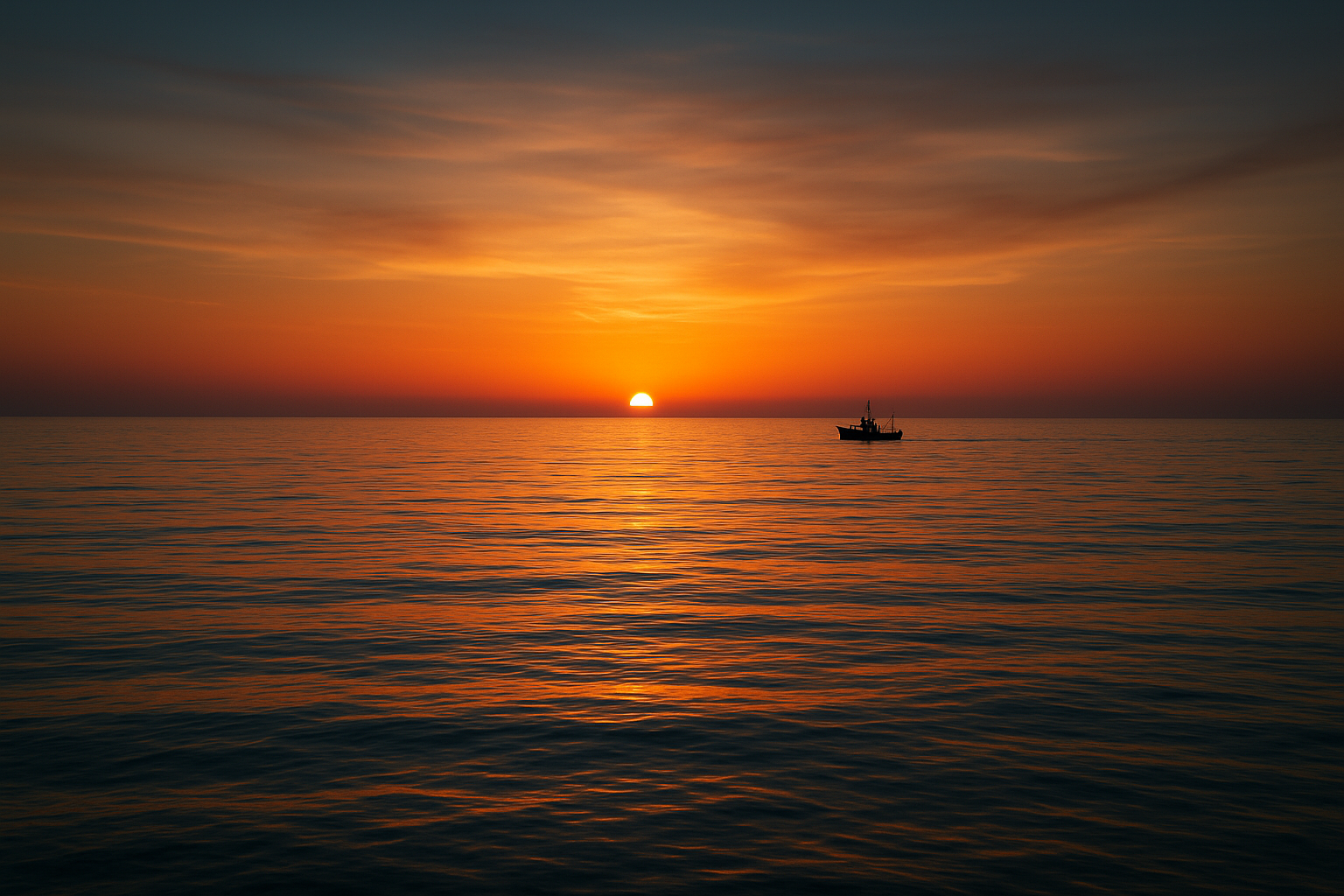
Extended offshore trips can reach Gulf Stream waters when conditions allow.
Offshore vs. Deep Sea: A Quick Comparison
Because these terms are often used interchangeably, a side-by-side look helps clarify the overlap.
| Factor | Offshore Fishing Charter | Deep Sea Fishing |
|---|---|---|
| Typical focus | Trolling near reefs, wrecks, structure | Bottom fishing in deeper water |
| Distance traveled | Several miles to open water | Varies, can overlap with offshore |
| Trip length | 6 to 10 hours typical | Determined by booked trip |
For more detail on North Carolina coastal trips with similar structure, see this overview of deep sea fishing charters, which explains how itinerary decisions get made on the water.
Frequently Asked Questions About Offshore Fishing Charters
What is an offshore fishing charter?
An offshore fishing charter is a private boat trip that travels beyond nearshore waters to fish deeper ocean areas, reefs, and wrecks. These trips typically target species not found closer to the beach and use techniques like trolling or bottom fishing.
How long does an offshore fishing charter typically last?
Most offshore trips run between 6 and 10 hours, though longer Gulf Stream trips can extend further. Trip length depends on distance traveled, target species, and conditions on the day of booking.
How far offshore do these charters travel?
Distance varies by trip type, with standard offshore charters reaching reefs and wrecks several miles out, while Gulf Stream trips travel considerably farther. Your captain determines the exact route based on conditions and target species.
What’s the difference between an offshore fishing charter and a deep sea fishing charter?
Offshore and deep sea fishing often overlap, but deep sea trips may emphasize bottom fishing in deeper water while offshore trips can include trolling near structure. The specific itinerary depends on the booked trip and conditions that day.
How much does an offshore fishing charter cost?
Pricing depends on trip length, boat size, distance traveled, and group size, so costs vary between operators and trip types. Contacting the charter directly for current rates and availability is the most reliable way to get an accurate quote.
What fish species can you catch on an offshore trip?
Offshore waters near Myrtle Beach can hold species such as mahi-mahi, king mackerel, grouper, and various snapper, depending on season and conditions. Specific catches are never guaranteed since fish behavior shifts with water temperature and tides.
Do I need my own fishing license for an offshore charter?
No, required fishing licenses are included with a private charter booking. The captain and crew handle licensing requirements so guests can focus on fishing.
What should I bring on an offshore fishing charter?
Guests should bring sunscreen, sunglasses, non-slip shoes, and snacks or water unless otherwise provided. Motion sickness medication is also worth considering since offshore waters can be rougher than inshore trips.
Is offshore fishing suitable for beginners or kids?
Offshore trips can work for beginners and older children, though the longer ride and open-water motion suit some guests better than others. Families unsure about offshore conditions may want to discuss options with their captain before booking.
What happens if weather conditions are unsafe?
Captains make the final call on whether conditions are safe for an offshore trip and will reschedule or adjust plans when needed. Safety always takes priority over keeping a fixed itinerary.
What’s the difference between offshore and nearshore fishing?
Nearshore fishing stays closer to the coast around visible structure, while an offshore fishing charter travels farther into open water to reach reefs, wrecks, and deeper fishing grounds. Travel time and target species differ accordingly.
What are common mistakes people make when booking an offshore charter?
Common mistakes include underestimating travel time, not asking about included gear, and booking without confirming departure location. Clarifying these details in advance helps set accurate expectations for the day.
How many people can join a private offshore charter?
Group size depends on the specific boat’s confirmed passenger capacity, which varies by vessel. Since every charter is private and reserved for the booking party, checking capacity during booking ensures the trip fits your group.
What is the Gulf Stream and why does it matter for offshore fishing?
The Gulf Stream is a warm ocean current that influences fish migration and feeding patterns far offshore, as documented by NOAA and oceanographic research. Trips targeting this water travel farther than standard offshore charters and depend heavily on suitable sea conditions.
Final Thoughts on Booking an Offshore Trip
Choosing the right offshore fishing charter comes down to matching your group’s experience, schedule, and goals with the conditions available on the water that day. Whether you’re chasing mahi-mahi over a wreck or exploring Gulf Stream waters for the first time, a private trip with a licensed captain offers flexibility that shared or public trips simply cannot match.
Ultimately, the best next step is checking availability directly. You can explore specific offshore fishing charter options in Myrtle Beach, review service areas, or visit Low Country Fishing Charters directly to compare trip types before reserving your private charter.


