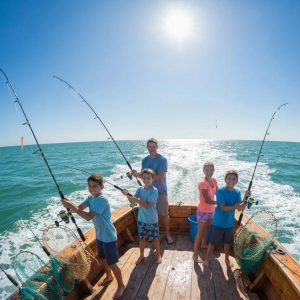

Tuna Fishing Charters in Myrtle Beach, SC — Your Local Guide to Offshore Tuna Trips
Tuna fishing off Myrtle Beach delivers big-adventure energy for experienced anglers and first-timers alike. This guide walks you through everything you need to know—what tuna you’ll likely see, how to pick the right charter, and how to prepare so your day on the water goes smoothly. Whether you’re chasing a trophy or just want a great day at sea, understanding offshore tactics, seasons, and gear will make your trip more successful and more fun.
Which Tuna Can You Expect on Myrtle Beach Charters?
Myrtle Beach waters host a couple of tuna species that attract anglers year after year. Yellowfin and Blackfin are the two most common targets—both prized for their fight and their flavor. Knowing how each species behaves and where they like to hang out helps you read the water and improves your odds of putting one in the boat.
How to Identify Yellowfin and Blackfin Tuna During Your Trip

Yellowfin are easy to spot by their bright yellow dorsal and anal fins and long, streamlined bodies—some grow very large (up to a few hundred pounds). Blackfin are smaller and stockier with darker coloring and a yellowish stripe along the side. Behavior helps, too: Yellowfin often put on a show with acrobatic runs and leaps, while Blackfin hang closer to shore during warm months. Spotting these traits quickly will help you and the crew identify your catch.
Research also points to specific ocean conditions that concentrate Yellowfin offshore—knowing those patterns explains why they appear in certain spots at certain times.
Yellowfin Tuna Offshore Aggregations
A study examined oceanography in the main yellowfin tuna longline fishing areas off southern New South Wales and linked inshore and offshore processes to yellowfin catch patterns.
Australia: links between inshore and offshore processes, JW Young, 2001
Seasonal Availability of Tuna Species in Myrtle Beach Waters
Tuna availability changes through the year. Yellowfin are most common in the warmer months—typically late spring through early fall—while Blackfin show up in heavier numbers during summer. Bluefin are rare around Myrtle Beach and aren’t a primary target for local charters. Water temperature, currents, and weather all affect when and where tuna feed, so timing your trip to match seasonal patterns will boost your chances.
Although Bluefin are uncommon here, studies on recreational catch-and-release for bluefin provide useful guidance on handling and conservation.
Recreational Bluefin Tuna Catch & Release
Experimental work has looked at catch-and-release procedures in recreational bluefin fisheries to estimate mortality and improve handling practices.
Estimating mortality of Atlantic bluefin tuna (Thunnus thynnus) in an experimental recreational catch-and-release fishery, MJW Stokesbury, 2011
How to Choose the Best Offshore Tuna Fishing Charter in Myrtle Beach
Picking the right charter makes the trip. Look beyond price—check the captain’s local experience, the crew’s track record, and the condition of the boat and equipment. A knowledgeable captain who reads the sea and knows where the fish are will make the biggest difference.
Key Features to Look for in Tuna Fishing Charters
Prioritize experienced captains who know local offshore grounds, solid tackle and bait options, and a crew committed to safety. Boat size and passenger limits matter, too—less crowded trips often mean more hands-on time with the rods. A well-run charter gives you the gear, coaching, and confidence to enjoy the fight.
Comparing Prices and Services of Myrtle Beach Tuna Charters
Charter prices vary depending on what’s included. Some trips bundle gear, bait, and snacks; others are more a la carte. Compare what you get for the rate—fuel surcharges, bait, licensing, and fish cleaning can change the value significantly. Pick the option that matches how much you want to fish versus how much you want convenience.
| Charter | Price Range | What’s Included |
|---|---|---|
| Charter A | $600-$800 | Gear, Bait, Snacks |
| Charter B | $500-$700 | Gear, Bait |
| Charter C | $700-$900 | All-inclusive |
What to Expect on a Myrtle Beach Tuna Fishing Trip
Knowing the flow of the day helps you pack right and relax on the water. Most charters follow a similar routine: early departure, transit to offshore hotspots, a block of concentrated fishing, then the run back. Expect active fishing and plenty of coaching from the crew.
Typical Itinerary and Duration of Tuna Fishing Excursions
Most tuna trips run 6–8 hours and leave in the early morning. You’ll travel to prime offshore grounds, spend several hours working lures or live bait, and return mid- to late afternoon. The crew will steer tactics—trolling, live-baiting, or chunking—based on the fish and conditions.
Safety Measures and Equipment Provided on Charters
Safety comes first. Reputable charters supply life jackets, first-aid kits, and safety briefings before you cast off. Crews will also walk you through proper rod handling and deck procedures. Pay attention to instructions and you’ll have a safe, enjoyable day.
How to Prepare for Your Tuna Fishing Charter in Myrtle Beach
Good prep saves hassle. Bring sun protection, sensible footwear, and a calm, flexible attitude—especially if weather changes the plan. Check with your charter about what they supply so you only pack what you need.
Essential Gear and Clothing for Offshore Tuna Fishing
Bring sunscreen, polarized sunglasses, a hat, and layered clothing—mornings offshore can be cool, afternoons hot. Non-slip shoes are a must. Most charters provide rods, reels, and tackle, but if you prefer your own gear, confirm it’s allowed before you bring it.
Tips for First-Time Tuna Anglers in Myrtle Beach
If this is your first tuna trip, listen to the crew, ask questions, and be ready to help on the rail. Tuna fights are hard work—use your legs, keep a steady pace, and don’t panic when the fish makes a big run. Patience and teamwork make the moment memorable.
What Are the Best Practices for Catching Tuna on Myrtle Beach Charters?
Tuna fishing has a few reliable techniques; pairing the right bait and tackle with good water-reading skills will raise your success rate. A captain who understands local patterns is worth their weight in tackle.
Effective Bait and Tackle for Yellowfin and Blackfin Tuna
Live bait like mackerel or squid performs well for both Yellowfin and Blackfin. Artificial lures that mimic baitfish can also trigger strikes. Match your tackle to the size of the fish you expect—bigger tuna require heavier rods, stronger lines, and stout reels.
Techniques for Offshore Tuna Fishing Success

Trolling is a go-to method for covering water and locating active fish. Once you find birds working bait or see fish busting, switch to live-bait or chunking to hold them. Learn to read signs—dive-bombing birds, bait balls, or jumping fish usually mean tuna nearby.
Where to Find Myrtle Beach Tuna Fishing Trips and Charter Booking Options
There are plenty of charter choices—do your homework and read recent reviews to find a crew that fits your style, whether you want a fast-paced, trophy-focused day or a relaxed family outing.
Top Rated Tuna Fishing Charter Companies in Myrtle Beach
Several highly rated tuna fishing charter companies work the Myrtle Beach grounds. Look at customer feedback, photos of actual trips, and how captains describe their approach to find the best match for your goals.
How to Book and What to Expect from Your Reservation
Booking is usually easy—most charters offer online reservations where you pick a date and party size. Confirm pickup time, cancellation policies, and what’s included (bait, tackle, fish cleaning). You should receive a confirmation email with trip details and any prep notes.
With the right timing, charter, and preparation, you’ll increase your odds of a great day on the water. Whether it’s your first tuna or another notch on your belt, Myrtle Beach offshore fishing delivers memorable action.
Frequently Asked Questions
When is the best time of year for tuna fishing in Myrtle Beach?
The best window is usually late spring through early fall, when Yellowfin and Blackfin are most active. Summer tends to be peak season for both. Keep an eye on water temperature and current reports—those conditions can shift where the fish are feeding.
What should I bring on my tuna fishing charter?
Pack sunscreen, polarized sunglasses, a hat, layered clothing, and non-slip shoes. Bring motion-sickness meds if you’re prone to seasickness. Check with your charter about food and drink policies—some provide snacks, others don’t. If you want to keep your catch, bring a cooler if the charter doesn’t offer one.
Are there age restrictions for tuna fishing charters in Myrtle Beach?
Many charters welcome anglers of all ages, but minimum-age rules vary. Some trips may limit young children for safety on offshore runs. Ask the charter about age policies and whether they provide child-sized life jackets.
What fishing techniques work best for tuna?
Trolling helps you find fish across wide areas; live-baiting and chunking are great for holding and hooking tuna once you locate them. Watch for surface activity like diving birds or jumping fish—those are your best clues. Rely on the captain’s direction for the specific technique that day.
How do I ensure a safe fishing experience on a charter?
Choose a reputable charter with safety equipment, a licensed captain, and good reviews. Pay attention to the safety briefing, use life jackets when asked, and follow crew instructions on deck. Knowing basic sea-safety etiquette makes the trip safer for everyone.
Can I catch and keep tuna during my trip?
Whether you can keep tuna depends on local regulations and the charter’s policy. Size and bag limits apply, and some captains encourage catch-and-release for certain species. Check rules with the charter and review state and federal regulations before your trip.
Conclusion
Tuna fishing off Myrtle Beach with Low Country Fishing Charters is an exciting, hands-on experience. Learn the seasons, choose a knowledgeable charter, come prepared, and you’ll give yourself the best shot at a great day on the water. Ready to go? Book a charter that fits your style and get out there—the ocean’s waiting.