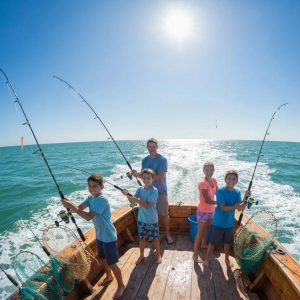
What to Wear Deep Sea Fishing: A Practical Myrtle Beach Guide
Knowing what to wear deep sea fishing is one of the most overlooked parts of planning an offshore fishing trip. Many first-time anglers focus on the boat, the captain, or the fish they hope to catch, but clothing decisions often determine how comfortable, safe, and enjoyable the day becomes.
Deep sea fishing out of Myrtle Beach places anglers well offshore, often in changing conditions. Temperatures can vary significantly between dockside and open water. Wind, spray, sun exposure, and motion all affect how your body feels over several hours. Clothing that works for pier or inshore fishing is not always suitable offshore.
This guide is written for travelers and vacationers researching offshore and charter fishing options along the South Carolina coast. It is designed to help you prepare properly without overspending or overpacking. The goal is not to sell gear, but to explain how clothing functions in a deep sea environment and how to adapt for local conditions.
The guidance below reflects regional offshore conditions commonly experienced by anglers fishing from Myrtle Beach, Murrells Inlet, Little River, and surrounding ports with crews operated by Low Country Fishing Charters, a locally operated fishing charter company serving South Carolina coastal waters.
Key Takeaways
Deep sea fishing requires clothing that handles sun, wind, spray, and movement
Layering is essential, even in warm Myrtle Beach weather
Footwear should prioritize grip and drainage over style
Sun protection is critical offshore due to reflection and exposure time
Seasonal adjustments matter more offshore than inshore
Avoid cotton-heavy outfits that retain moisture
Comfort improves safety and stamina during longer trips
Understanding Offshore Conditions Before Choosing Clothing
Before deciding what to wear deep sea fishing, it helps to understand how offshore conditions differ from land or nearshore environments. Once a boat moves several miles offshore, exposure increases significantly.
Air temperatures offshore are often cooler than on land, especially in the morning. Wind intensifies perceived cold through wind chill, even in summer. Water spray can soak clothing quickly, and wet fabric accelerates heat loss.
Sun exposure offshore is also more intense. There is little shade unless the boat has a canopy, and sunlight reflects off the water from multiple angles. This increases UV exposure to areas like the underside of the chin, nose, and neck.
Movement plays a role as well. Boats rise and fall with swells, requiring balance. Clothing that restricts movement or becomes heavy when wet can increase fatigue and reduce stability.
Unique insight: Many discomfort complaints on offshore trips are not caused by weather extremes but by small mismatches between clothing and conditions, such as cotton shirts staying damp or shoes lacking traction on wet decks.
Core Clothing Layers for Deep Sea Fishing
Base Layers: Managing Moisture and Comfort
A base layer sits closest to the skin and plays a critical role in moisture management. Offshore fishing often involves sweating during activity and cooling during idle periods.
Synthetic or performance fabrics are preferable because they wick moisture and dry quickly. Lightweight long-sleeve performance shirts are common choices because they regulate temperature while offering sun protection.
Avoid heavy cotton shirts. Cotton absorbs water and stays wet, which leads to chills, especially when wind picks up.
Unique insight: Even in summer, long-sleeve base layers reduce overall heat stress by limiting direct sun exposure and improving sweat evaporation.
Mid Layers: Adjusting to Temperature Changes
Mid layers provide insulation and flexibility. Early mornings offshore can feel cool, while midday sun warms quickly.
Light fleece pullovers, softshell jackets, or insulated performance hoodies work well. These layers should be easy to remove and store once temperatures rise.
Zippers are helpful for ventilation control. Avoid bulky items that restrict arm movement or casting.
Unique insight: Many experienced anglers choose thin insulating layers over heavy jackets, as multiple thin layers allow finer temperature control offshore.
Outer Layers: Wind and Water Protection
Outer layers protect against spray, rain, and wind. Even on calm days, boat movement can throw saltwater mist onto passengers.
Water-resistant or waterproof jackets with breathable membranes are ideal. Pants with water resistance are useful during cooler seasons or rougher seas.
Look for adjustable cuffs and collars to block wind. Non-breathable rain gear may trap heat and moisture, leading to discomfort.
Unique insight: Windproofing often matters more than full waterproofing on typical Myrtle Beach offshore trips.
Footwear Choices That Matter Offshore
Footwear is one of the most important yet underestimated components of what to wear deep sea fishing. Offshore decks are frequently wet, and traction is essential.
Non-marking, slip-resistant shoes designed for marine environments are recommended. Closed-toe shoes provide toe protection when moving around gear and coolers.
Avoid sandals, flip-flops, or shoes with smooth soles. These increase slip risk and offer little protection from hooks or deck hardware.
Quick-draining shoes help keep feet comfortable if water splashes onboard.
Unique insight: Foot fatigue contributes to motion sickness for some anglers; supportive footwear improves balance and reduces strain during long trips.
Sun Protection Clothing and Accessories
Hats, Buffs, and Neck Protection
Sun protection is critical offshore. A wide-brimmed hat or cap with a neck flap shields the face, ears, and neck.
Neck gaiters or buffs offer versatile protection and can be adjusted as conditions change. They also help block wind during cooler months.
Secure hats with chin straps or snug fits, as wind can easily carry them away.
Unique insight: Anglers often underestimate neck exposure, yet sunburn in this area is one of the most common offshore injuries.
Sunglasses and Eye Safety
Polarized sunglasses reduce glare and eye strain while improving visibility into the water. This is especially helpful when observing bait activity or spotting surface fish.
Choose glasses with UV protection and secure them with retainers to prevent loss overboard.
Wraparound styles offer better wind and spray protection.
Gloves for Sun and Grip
Lightweight fishing gloves protect hands from sunburn, line abrasion, and salt exposure. They also improve grip when handling rods or fish.
Fingerless designs allow dexterity while still providing protection.
Seasonal Clothing Considerations in Myrtle Beach
Spring and Fall Offshore Trips
Spring and fall bring variable conditions. Mornings can be cool, with warmer afternoons.
Layering is essential. Windproof outer layers and insulating mid layers are particularly useful during these seasons.
Closed-toe shoes and water-resistant pants are often appreciated during shoulder seasons.
Summer Deep Sea Fishing Clothing
Summer offshore fishing focuses on sun protection and breathability. Lightweight, long-sleeve performance shirts dominate summer attire.
Ventilated hats, breathable shoes, and moisture-wicking fabrics help manage heat.
Hydration and shade become just as important as clothing.
Unique insight: Covering skin with breathable fabrics often feels cooler offshore than wearing minimal clothing under direct sun.
Winter Offshore Trips
Winter offshore trips are less common but require careful clothing choices. Water and wind significantly amplify cold exposure.
Insulated layers, windproof outer shells, and waterproof footwear become essential.
Thermal base layers help regulate body temperature without excessive bulk.
What Not to Wear Deep Sea Fishing
Understanding what to avoid is just as important as knowing what to wear deep sea fishing.
Avoid heavy cotton clothing that stays wet. Avoid loose accessories that can catch wind or gear. Avoid open footwear and slick soles.
Jewelry, especially rings and necklaces, can snag equipment or become uncomfortable in saltwater environments.
Denim jeans are generally poor choices, as they absorb water and restrict movement when wet.
Unique insight: Comfort issues offshore often come from clothing choices made for appearance rather than function.
Clothing for Families and First-Time Anglers
Families and beginners often focus on basic comfort and safety. Simplicity matters.
Choose clothing that allows movement, protects skin, and adapts to changing conditions. Avoid overpacking specialty items.
Guides who regularly work with families on Myrtle Beach Fishing Charters often recommend prioritizing comfort over technical complexity.
For additional preparation guidance, many parents find it helpful to review family and beginner fishing guides tailored to Myrtle Beach trips before booking.
How Clothing Impacts Safety Offshore
Clothing plays a subtle but important role in safety. Slip-resistant shoes reduce fall risk. Sun protection prevents heat exhaustion. Layering prevents cold stress.
Discomfort can distract anglers from instructions or safety briefings. Proper clothing supports alertness and balance.
Experienced captains running locally operated offshore fishing trips out of Myrtle Beach emphasize preparedness as part of responsible trip planning.
Choosing Clothing When Booking a Myrtle Beach Charter
When comparing fishing options, consider how much guidance is provided on preparation. Reputable operators often explain what to bring and wear based on season and trip length.
Many resources covering offshore deep sea fishing conditions in Myrtle Beach outline how weather, distance, and trip duration affect clothing needs.
If you are evaluating deep sea fishing charters based in Myrtle Beach, understanding what to wear deep sea fishing helps you focus on the experience rather than discomfort.
If you are comparing options beyond traditional offshore trips, some visitors also look at fishing tours in Myrtle Beach as a broader category when planning an on-the-water day.
Learning more about why anglers trust experienced Low Country Fishing Charters captains in Myrtle Beach can also clarify expectations before stepping aboard.
Knowing what to wear deep sea fishing is not about fashion or buying specialized gear. It is about matching clothing choices to offshore conditions, trip length, and seasonal variability.
In Myrtle Beach, offshore fishing combines sun exposure, wind, motion, and moisture. Clothing that manages these factors improves comfort, safety, and endurance. Layering, sun protection, and proper footwear form the foundation of effective offshore attire.
Whether you are a first-time angler or returning visitor comparing offshore fishing opportunities, thoughtful preparation makes a meaningful difference. The right clothing allows you to focus on learning, observing, and enjoying time on the water rather than managing avoidable discomfort.
For anglers researching regional fishing experiences, exploring insights from local Myrtle Beach fishing guides can further support informed decision-making.
If you are planning an offshore trip and still unsure what to wear deep sea fishing for your specific season or group, reviewing trip preparation guidance in advance can help ensure a smoother experience on the water.
References
NOAA Marine Weather Guidance
U.S. Coast Guard Recreational Boating Safety
South Carolina Department of Natural Resources – Coastal Fishing
FAQs
What should beginners wear deep sea fishing?
Beginners should wear moisture-wicking clothing, closed-toe non-slip shoes, sun protection, and layers that can be adjusted throughout the day.
Can I wear shorts deep sea fishing?
Yes, in warm weather, but lightweight pants provide better sun and spray protection for longer offshore trips.
Are jeans okay for deep sea fishing?
Jeans are not recommended because they absorb water, become heavy, and restrict movement when wet.
Do I need a jacket in summer offshore?
A light windproof layer is often helpful, especially during early mornings or when traveling at speed.
What shoes are best for deep sea fishing?
Non-marking, slip-resistant shoes designed for wet decks offer the best balance of safety and comfort.
How important is sun protection offshore?
Sun protection is critical offshore due to prolonged exposure and water reflection, even on cloudy days.